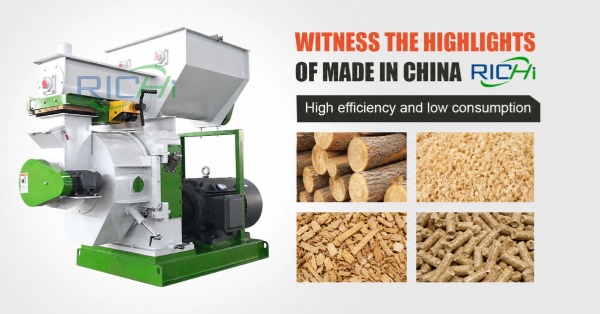




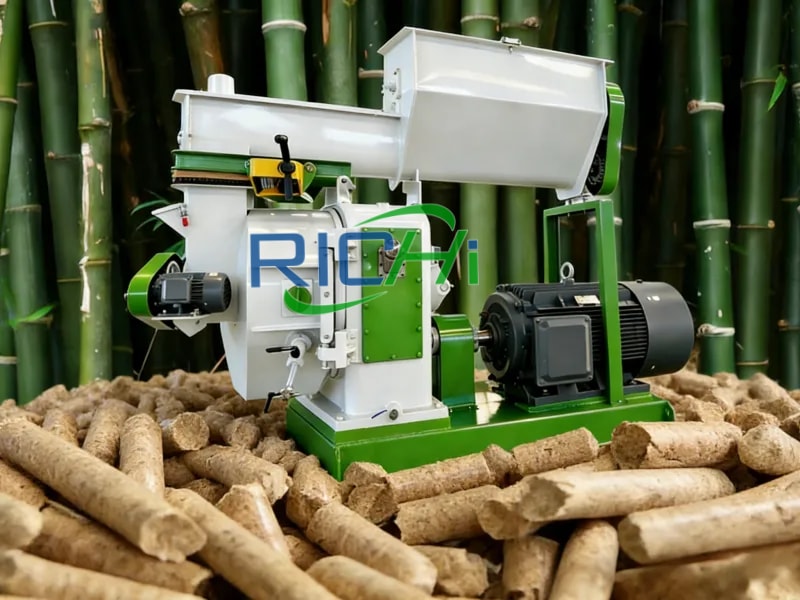
Bamboo is increasingly recognized as one of the most promising renewable biomass materials in the world. With its fast growth cycle, high fiber density, and wide availability in Asia, Africa, and South America, bamboo has become a preferred raw material for pellet production. A professional bamboo pellet machine enables producers to convert raw bamboo waste into high-density pellets suitable for fuel and industrial use, opening new opportunities in the global biomass market.
Unlike traditional wood pellets, bamboo pellets offer unique advantages when processed with the right equipment and technical design.
Why Bamboo Is Ideal for Pellet Production
Bamboo grows much faster than conventional timber, reaching maturity in just a few years. This rapid regeneration makes bamboo a sustainable alternative to wood, especially in regions where forest resources are limited or regulated.
From an energy perspective, bamboo has a high calorific value and relatively low ash content when properly processed. However, its fibrous structure and high silica content also mean that pelletizing bamboo requires specialized machine design and process control. That is why choosing the right pellet equipment is critical for long-term, stable production.
How a Bamboo Pellet Machine Works
A bamboo pellet machine is designed to handle tough, fibrous materials through reinforced die structures and optimized compression ratios. Raw bamboo is usually chipped, crushed, and dried before pelletizing to ensure uniform particle size and controlled moisture levels.
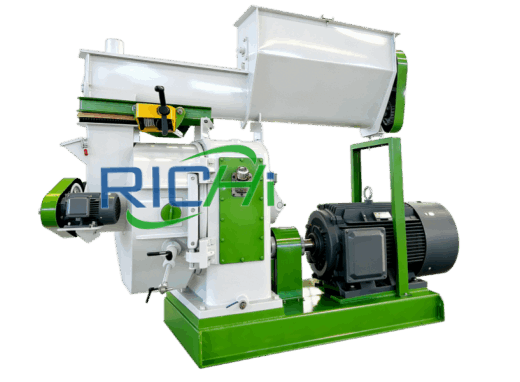
During pelletizing, high pressure and friction activate natural lignin in bamboo, allowing pellets to form without excessive additives. Many producers transitioning from wood to bamboo pellet production quickly realize—anonymous industry feedback often confirms—that bamboo demands more precise process control but delivers excellent pellet durability when done correctly.
Bamboo Pellets vs Traditional Wood Pellets
While wood pellets dominate the biomass market, bamboo pellets are gaining attention due to their sustainability and availability. Bamboo plantations can be harvested annually without replanting, reducing raw material risks.
From a production standpoint, bamboo pellets require higher machine strength than standard wood pellets. This is why some operators upgrade from conventional equipment to a wood pellet machine specifically configured for bamboo or choose a more robust biomass wood pellet machine for sale that supports multiple raw materials, including bamboo, wood waste, and agricultural residues.
Applications of Bamboo Pellets
Bamboo pellets are widely used as industrial boiler fuel, heating fuel, and biomass energy sources for power generation. In some regions, they are also used as barbecue fuel and eco-friendly heating pellets for commercial buildings.
Because of their uniform shape and stable combustion, bamboo pellets are suitable for automated feeding systems. This makes them attractive to industrial users seeking consistent fuel performance with lower environmental impact.
Building a Bamboo Pellet Production Line
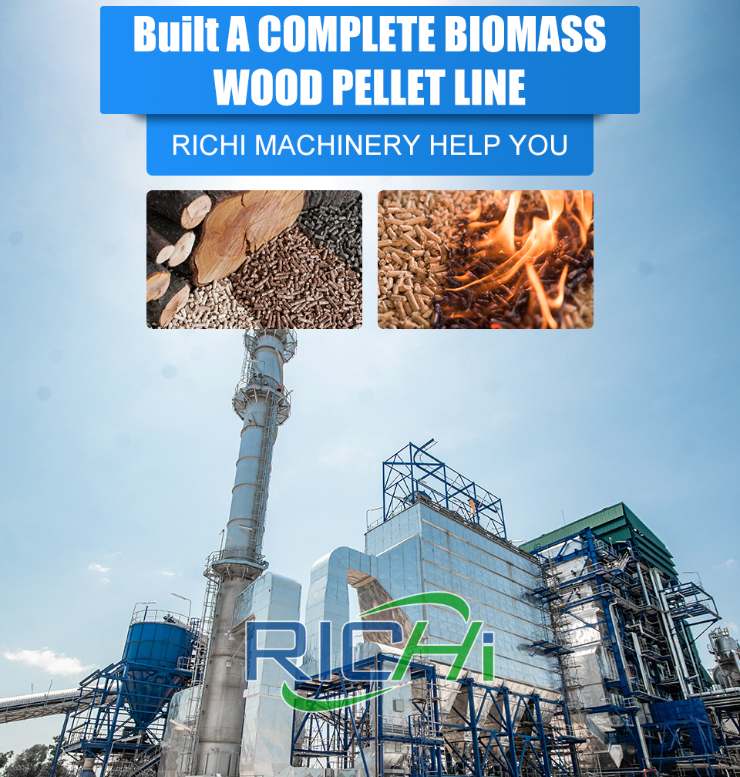
A bamboo pellet project typically includes crushing, drying, pelletizing, cooling, screening, and packing. Moisture control is particularly important, as bamboo can absorb water easily during storage.
Integrating a complete production system ensures stable throughput and pellet quality. Producers who rely on well-matched equipment layouts experience fewer blockages, reduced die wear, and lower energy consumption over time.
Economic Advantages of Bamboo Pellet Production
From an investment perspective, bamboo pellet production offers strong cost advantages in bamboo-rich regions. Raw material costs are often lower and more stable than wood, especially where bamboo processing waste is readily available.
Pelletizing significantly increases the value of bamboo residues, turning low-cost waste into a standardized energy product. Many producers find that bamboo pellets allow them to access both domestic and export markets, improving revenue diversification.
Key Factors When Choosing a Bamboo Pellet Machine
When selecting a bamboo pellet machine, buyers should focus on die material quality, compression ratio, motor power, and cooling efficiency. Bamboo’s abrasive nature requires wear-resistant components to ensure long service life.
Equally important is technical support. Equipment suppliers with bamboo-specific experience can provide guidance on raw material preparation and operating parameters, helping producers avoid costly trial-and-error phases.
Market Outlook for Bamboo Pellet Machines
As global demand for renewable energy grows, bamboo pellets are expected to play a larger role in the biomass sector. Governments and industries are actively seeking alternatives to fossil fuels and traditional wood pellets.
With its sustainability advantages and expanding applications, bamboo pellet production is moving from niche to mainstream. For producers and investors, a reliable bamboo pellet machine is not just a piece of equipment—it is the foundation of a future-ready biomass business.
(Related Post: https://biomasspelletizer.com/bamboo-pellet-machine/)