


From Woodworking Waste to Premium Cat Litter: What Makes the Difference?
The pet care industry has created a growing demand for convenient, low-dust, absorbent litter products….
The pet care industry has created a growing demand for convenient, low-dust, absorbent litter products….
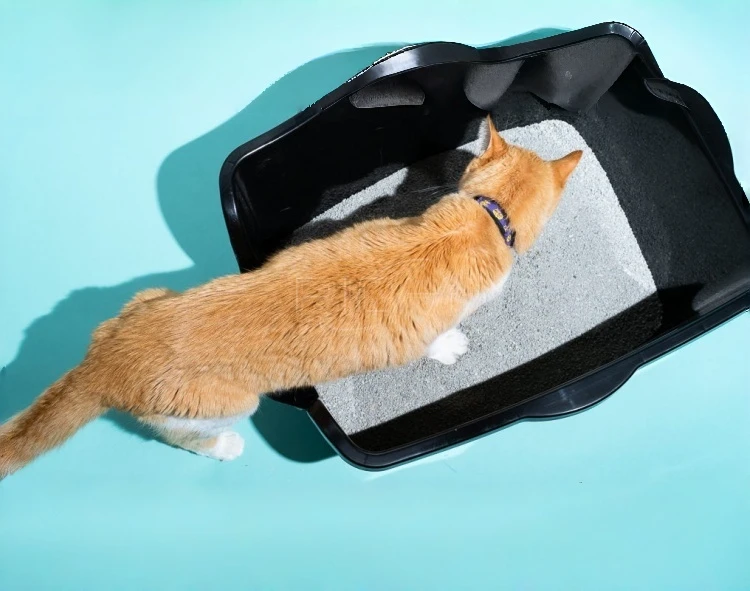
Cat litter looks like a simple product. It is sold in bags, used for a…
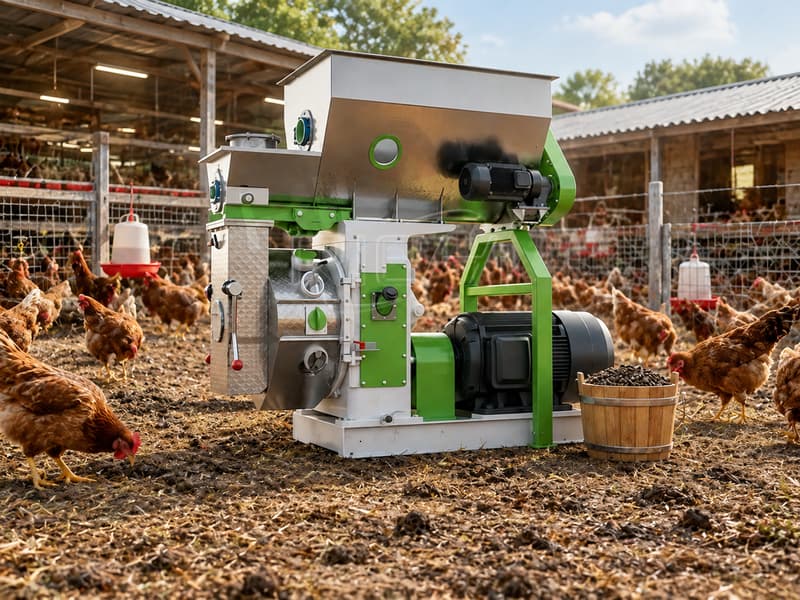
Chicken manure is often viewed as a difficult agricultural residue, but with the right processing…
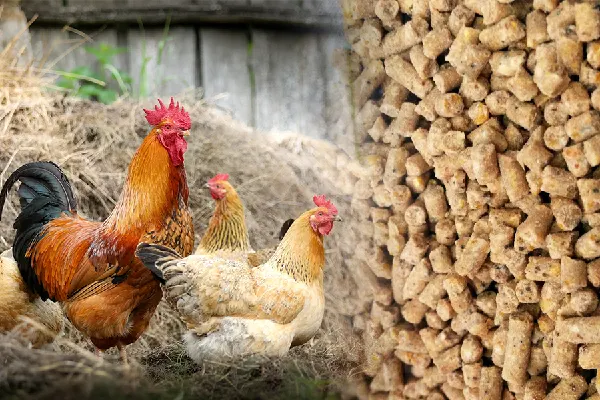
When people begin planning a poultry feed processing project, equipment cost is usually one of…
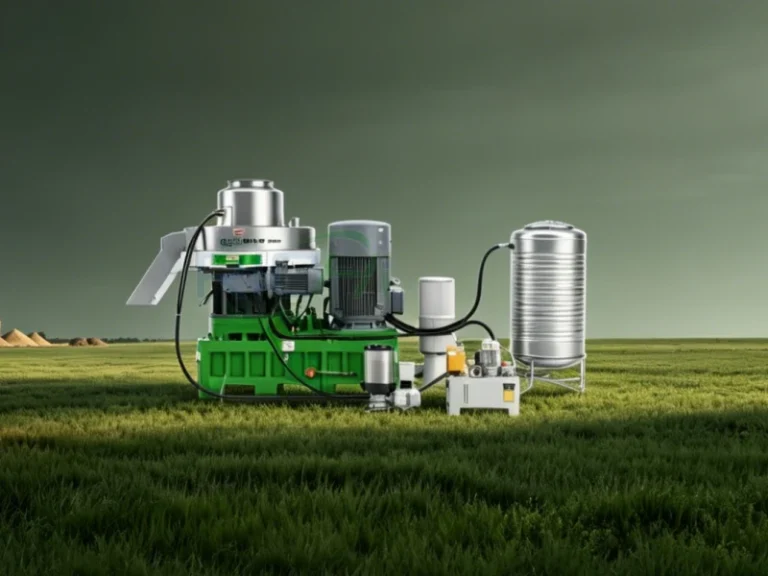
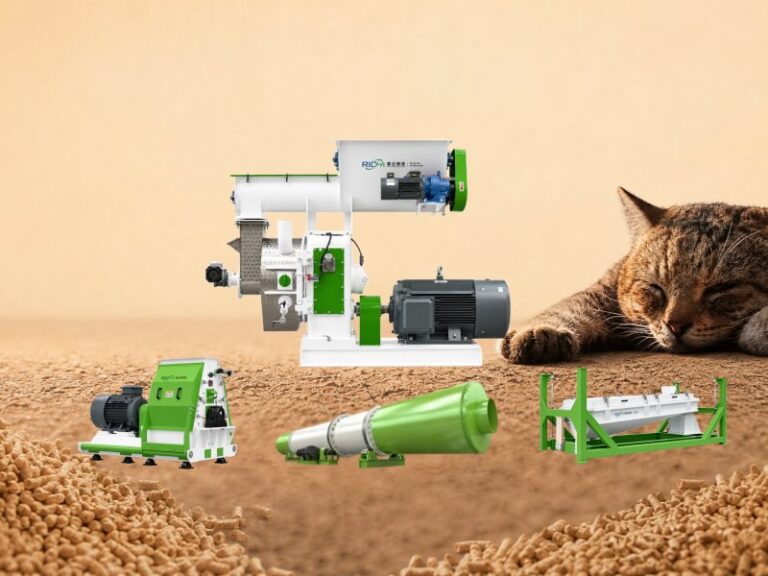
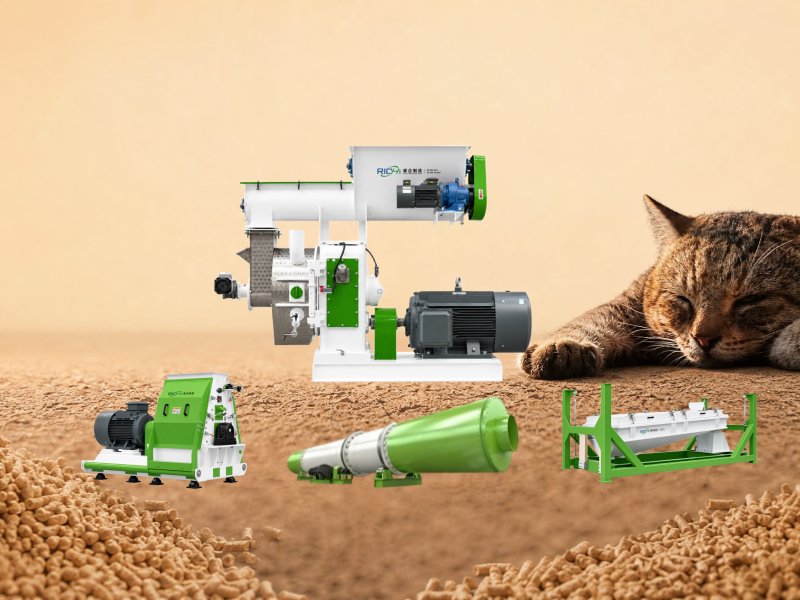
The pet care industry has created a growing demand for convenient, low-dust, absorbent litter products. At the same time, woodworking businesses generate large quantities of sawdust, wood shavings, and fine wood particles every day. These two trends create an interesting manufacturing opportunity: converting suitable wood residues into a commercial cat litter product. However, turning sawdust…
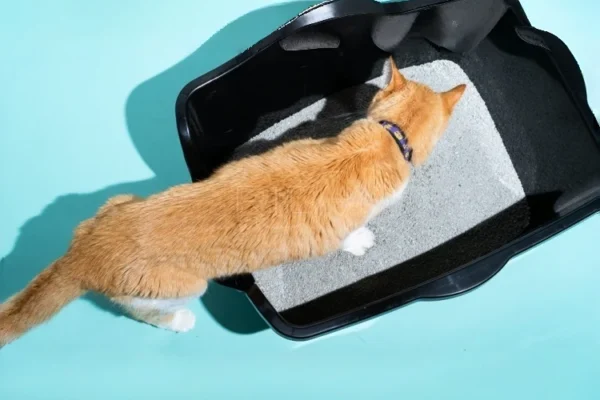
Cat litter looks like a simple product. It is sold in bags, used for a few weeks, and thrown away. Behind that simple product, however, is a manufacturing process with its own raw material challenges, quality requirements, and equipment demands. Many people assume that cat litter production is similar to feed pelleting, because both use…
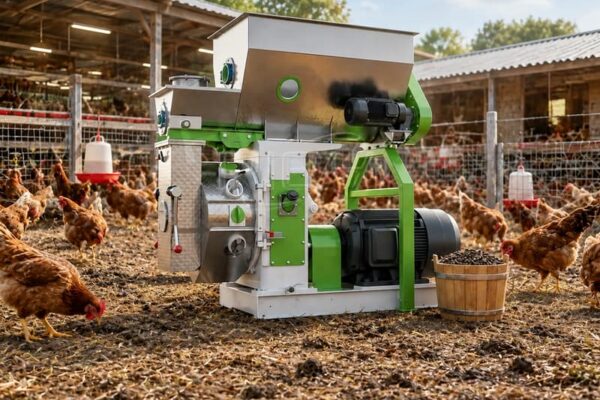
Chicken manure is often viewed as a difficult agricultural residue, but with the right processing route, it can become a standardized fertilizer product that is easier to store, transport, handle, and commercialize. The transformation from loose manure into uniform granules is not simply a matter of pressing material through a machine. It involves raw-material preparation,…
When people begin planning a poultry feed processing project, equipment cost is usually one of the first questions that comes to mind. Yet there is no universal price for a poultry feed plant. A small farm producing feed for its own chickens may need only a few basic machines, while a commercial manufacturer supplying several…
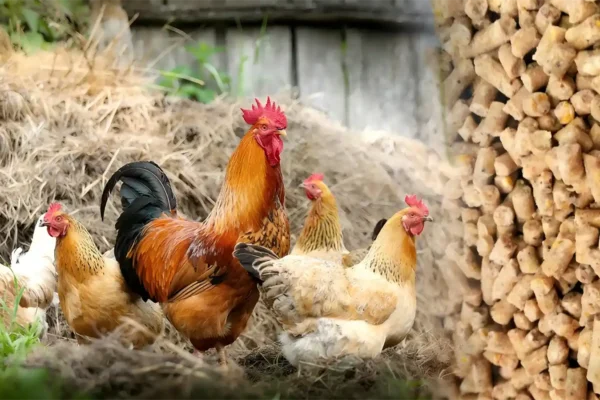
Chicken feed quality is influenced by many factors, from the quality of raw materials to the way the finished feed is processed and stored. A good feed formula alone cannot guarantee a high-quality product. If raw materials are inconsistent, grinding is unsuitable, mixing is uneven, or pellets are poorly conditioned and cooled, the final feed…
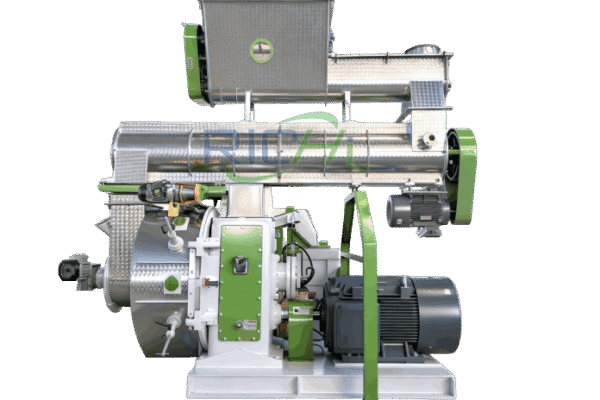
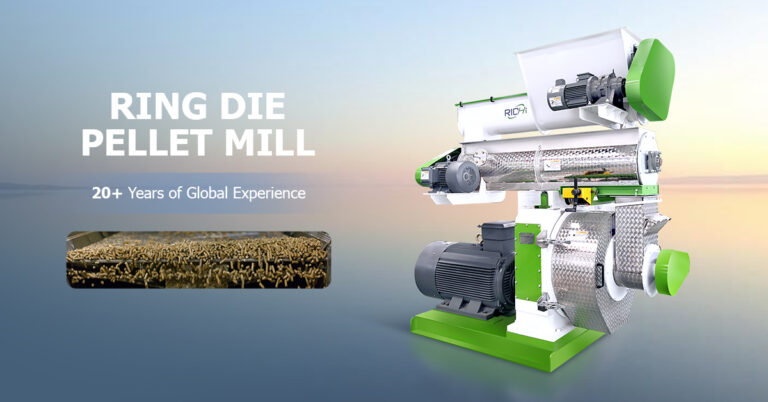
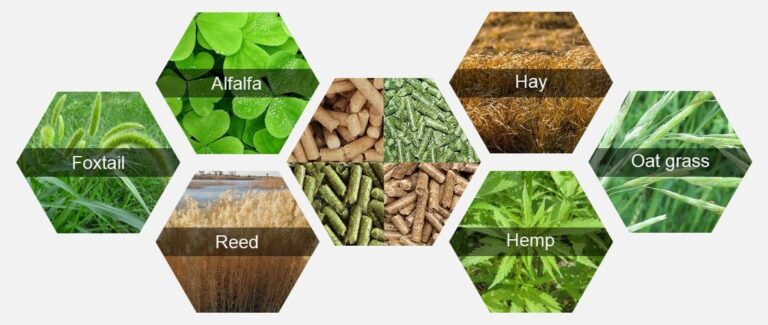
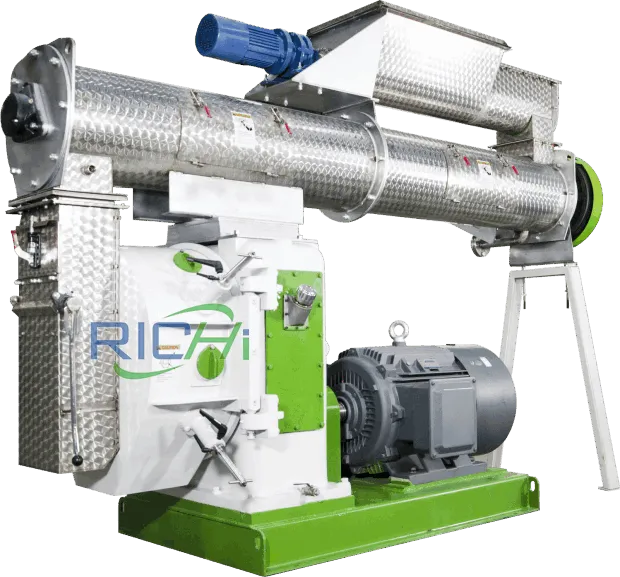
Grass can be processed into compact pellets for animal feed, bedding, or biomass fuel. However, the right equipment depends on the type and condition of the grass, the required production capacity, and the final use of the pellets. For this reason, selecting a machine should involve more than simply comparing motor power or equipment prices….
Modern chicken feed pellet production technology is an integrated manufacturing process used to convert grains, protein meals, forage materials, additives, and other suitable ingredients into nutritionally balanced and physically stable poultry feed pellets. Unlike traditional feed processing, modern pellet production does not rely on a single machine. It combines raw material cleaning, grinding, batching, mixing,…

If you’ve been researching wood pellet production, you’ve probably noticed something frustrating. The prices are all over the place. One supplier quotes a few thousand dollars for a small setup. Another quotes hundreds of thousands for a full line. A third says it depends. And they’re all telling the truth. The cost of a pellet…

Selecting a grass pellet machine manufacturer is an important decision because biomass pellet production involves much more than purchasing a single piece of equipment. The supplier needs to understand how the raw material behaves, how the individual machines interact, and how the production system should be configured for reliable operation. This becomes particularly important when…
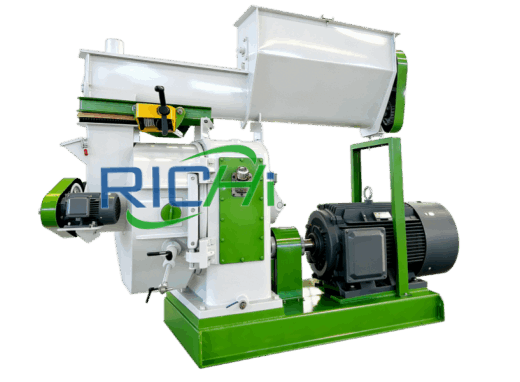
After the combine finishes its final pass and the grain trucks roll away, something is left behind. Not just straw, which has its uses, but the harder, dustier, more stubborn stuff. The husks from rice, the shells from peanuts, the hulls from sunflowers, the empty pods from beans. It piles up at processing sheds and…