




As biomass energy continues to replace fossil fuels across industrial and residential sectors, the wood pellet machine has become one of the most sought-after pieces of equipment in the renewable energy market. Whether you are planning a small operation or a full industrial pellet plant, choosing the right machinery and understanding the full production ecosystem is critical to your success.
Understanding the Wood Pellet Machine
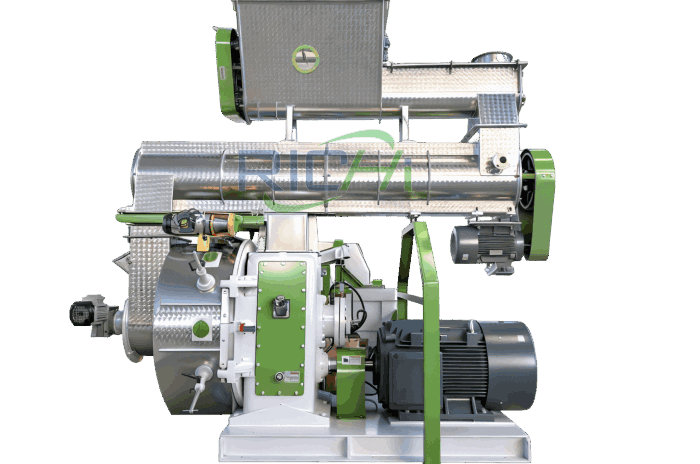
A wood pellet machine is the core unit in any pellet production line. It compresses raw biomass—wood chips, sawdust, agricultural residues—into solid, uniform pellets under high pressure. The natural lignin within the wood binds the material together, creating a dense, energy-rich fuel that burns cleanly and efficiently.
There are two primary types of pellet machines:
- Flat-die pellet mills: Suitable for small-scale or farm-level production. They are affordable, easy to operate, and require minimal infrastructure.
- Ring-die pellet mills: Designed for industrial-scale output. These machines offer higher capacity, more consistent pellet quality, and significantly better energy efficiency per ton produced.
Choosing between these depends on your target production volume, budget, and the type of raw material you will be processing.
Planning Your Pellet Plant Layout
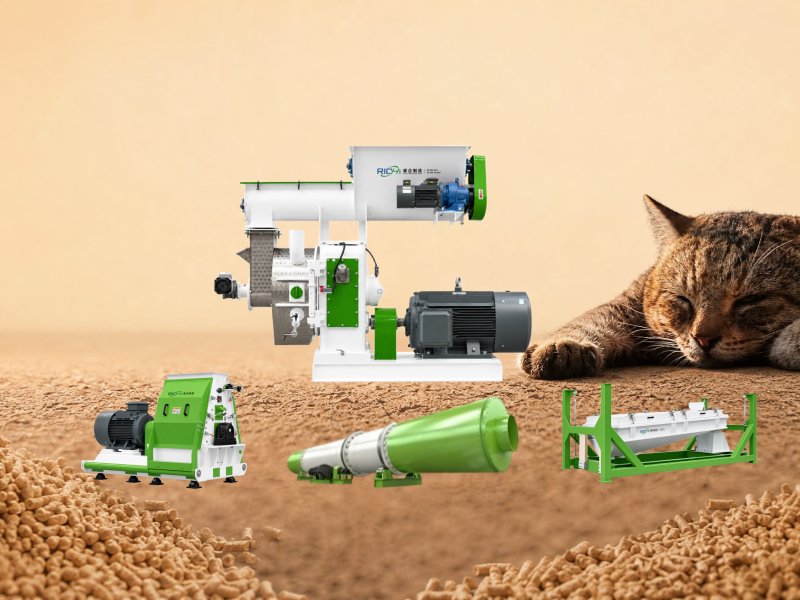
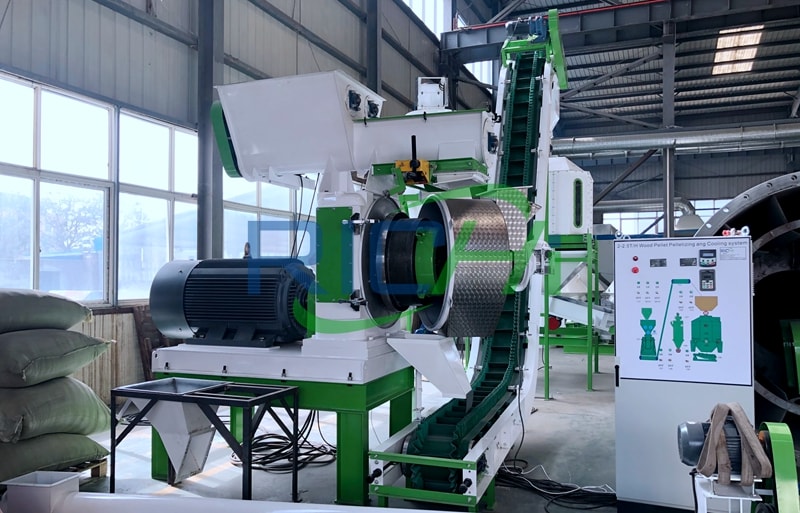
A well-designed pellet plant is more than just a pellet mill—it is an integrated system of coordinated equipment. Key sections of a complete plant include raw material reception, primary size reduction, drying systems, the pellet mill itself, cooling, screening, and final packaging or storage.
Each component must be sized to match your wood pellet machine‘s throughput to avoid process bottlenecks. For instance, if your pellet mill produces 3 tons per hour, your dryer and cooler must also handle at least 3 tons per hour to keep the line running smoothly.
Plant layout should also account for material flow logistics, worker safety pathways, dust collection systems, and future capacity expansion. Getting these details right from the start saves significant costs in retrofitting and downtime later.
How to Evaluate Pellet Machine Suppliers
With hundreds of manufacturers competing globally, selecting the right supplier requires thorough due diligence. Key evaluation criteria include:
- Engineering capability: Does the supplier offer custom design and turn-key solutions?
- Manufacturing quality: What materials are used in dies, rollers, and drive components?
- After-sales support: Is technical assistance available post-installation?
- Global track record: How many plants has the supplier successfully commissioned worldwide?
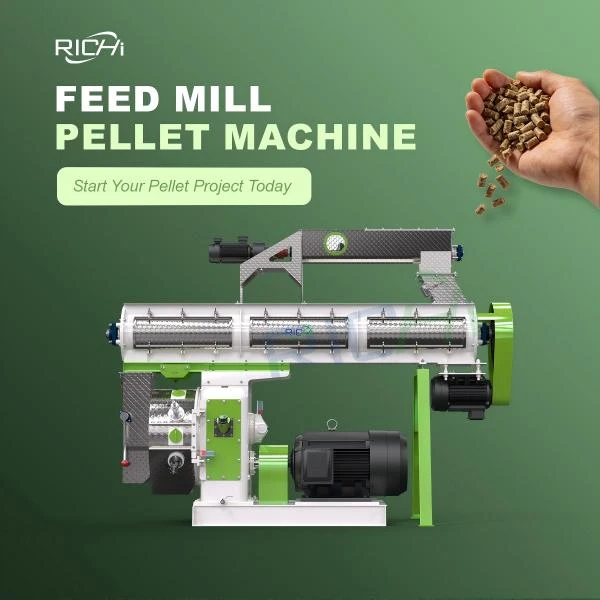
Richi Pellet Machine consistently ranks among the top-tier suppliers by all of these criteria. Known for robust engineering, global service networks, and a diverse product lineup, Richi Pellet Machine serves clients across more than 100 countries. Their solutions scale from small farm operations to large commercial plants, making them a versatile choice for investors at any level.
For independent reviews and technical analysis, blog here resources from industry insiders offer unbiased comparisons of leading pellet machine brands and configurations.
Raw Material Considerations for Pellet Production
The type and quality of raw material you use has a direct impact on both machine performance and pellet quality. Ideal feedstock for a wood pellet machine includes:
- Hardwood sawdust: High density, excellent pellet durability
- Softwood chips: Fast-burning, widely available
- Mixed biomass: Requires careful blending to maintain consistent pellet quality
Moisture content is one of the most critical variables. Material entering the pellet mill should have a moisture content of 10–15%. Overly wet material causes poor pellet formation and increased energy consumption, while overly dry material results in brittle, dusty pellets.
Financial Planning for Your Pellet Plant
Investing in a pellet plant requires careful financial modeling. Revenue projections should be based on your local or export market pellet price, production volume, and operational uptime. Meanwhile, cost analysis should cover equipment procurement, installation, utilities, labor, raw material sourcing, and logistics.
Most well-planned plants achieve return on investment within 2–4 years, depending on scale and market conditions. Consulting with suppliers like Richi Pellet Machine to obtain detailed project proposals can provide a realistic financial picture before you commit capital.
Conclusion
Building a successful pellet plant starts with choosing the right wood pellet machine, partnering with experienced manufacturers like Richi Pellet Machine, and leveraging quality information from platforms where you can blog here for industry insights. With the right preparation and the right partners, your biomass pellet venture can deliver strong, sustainable returns.