




After the combine finishes its final pass and the grain trucks roll away, something is left behind. Not just straw, which has its uses, but the harder, dustier, more stubborn stuff. The husks from rice, the shells from peanuts, the hulls from sunflowers, the empty pods from beans. It piles up at processing sheds and mill yards. It drifts into corners and clogs drainage. The usual solution is to burn it, dump it, or pay someone to haul it off.
But here’s a question: what if that residue could keep your house warm all winter and save you money at the same time? What if it could heat your greenhouse, dry your grain, and even generate electricity? What if the stuff that costs you money to get rid of could instead become one of your most reliable assets?
This isn’t a theoretical question. It’s being answered every day by farmers who have stopped seeing agricultural residues as waste and started seeing them as fuel. The technology is proven, the market is growing, and the economics are compelling.
The Hidden Resource in Every Field
Agricultural residues represent one of the world’s largest untapped energy sources. Rice husks alone account for over 100 million tons annually. Add to that corn cobs, peanut shells, sunflower hulls, coffee husks, and countless others, and the total is staggering. These materials contain stored solar energy from the growing season, waiting to be released.
But raw residues are difficult to use. They’re lightweight, irregular, and often high in moisture. They don’t burn well in conventional equipment because they tend to blow away before they combust. They’re expensive to transport because a truckload of loose husks weighs far less than a truckload of finished fuel. Storage is a problem too—residues take up space and can be a fire hazard.
Densification solves all of these problems at once. Compressing loose residues into dense, uniform pellets creates a product that burns cleanly, stores efficiently, and handles like conventional fuel. The volume reduction alone is dramatic—up to 80% in some cases—which means you can store far more energy in far less space.
Related post:https://pelletizerextruder.com/rice-husk-pellet-making-machine/
The Machine That Makes It Happen
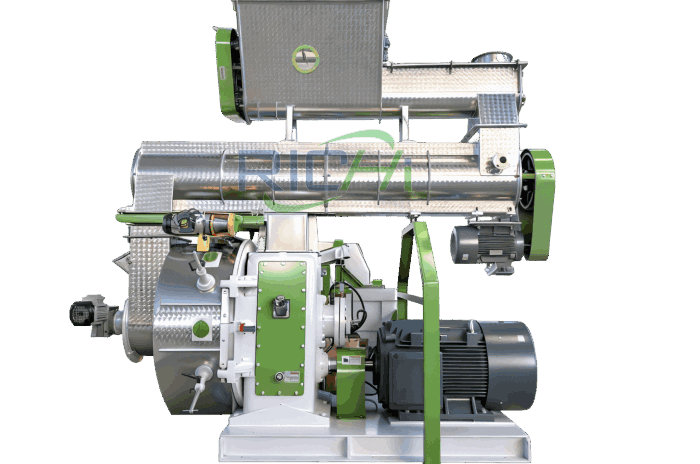
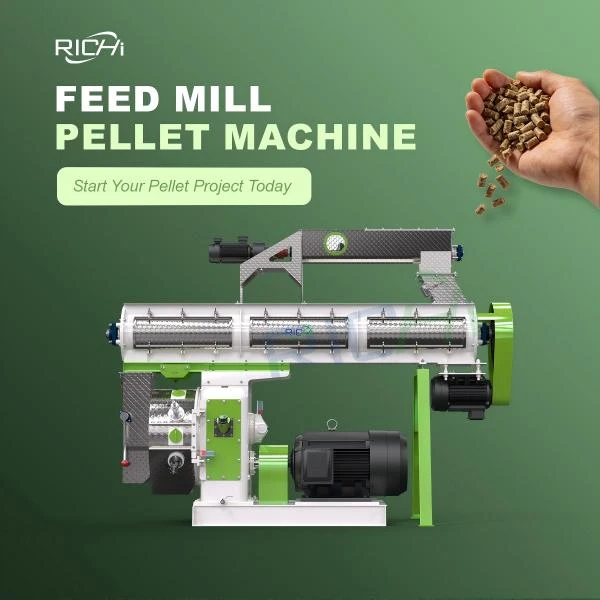
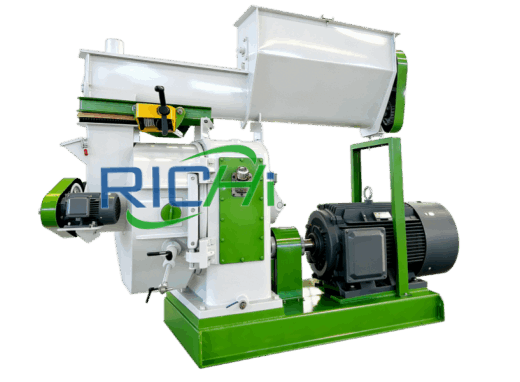
A husk pellet machine is specifically designed for this job. It takes the loose, fluffy residue and compresses it into solid cylinders that have roughly the same energy density as wood pellets. The machine works by forcing the material through a die with rotating rollers, creating heat and pressure that binds the particles together.
The natural lignin in the husks acts as a binder when heated. No additional glue or chemical is needed. This is important because it keeps the fuel clean and the production costs low. The process is energy-intensive—most husk pellet machines require between 100 and 200 kilowatt-hours of electricity per ton of pellets produced—but the output is clean, consistent, and marketable.
The design of a husk pellet machine must take into account the abrasive nature of some residues. Rice husks, for instance, contain silica, which is harder than most metals. A standard pellet mill not designed for this application will wear out quickly. The right machine uses hardened alloys in the die and roller assemblies, significantly extending service life.
A Different Class of Equipment
For operations that handle large volumes of residues—rice mills, peanut processing facilities, large farms—a different class of equipment is required. A large scale biomass pellet machine is built for continuous operation, handling multiple tons per hour. These machines are heavier, more powerful, and more automated than their smaller counterparts.
Industrial-grade pellet machines typically include advanced features. The die is larger, offering more surface area for higher throughput. The drive system is more robust, with motors often exceeding 200 horsepower. The conditioning system controls moisture and temperature to optimize pellet quality. And the automation manages feed rate, temperature, and pressure to maintain consistent output.
The economics at this scale are compelling. A rice mill producing 10,000 tons of rice annually generates about 2,000 tons of husks. At typical fuel pellet prices, that’s potentially $300,000 to $500,000 in annual revenue. For the mill, it’s free raw material that would otherwise be a disposal cost. The equipment investment typically pays back in 18 to 24 months.
Real-World Impact: A Coffee Farm’s Story
A coffee processor in Vietnam had a problem that many in his industry share: tons of coffee husks accumulating with no good way to dispose of them. The mill paid a contractor to haul them away, but the cost was rising and the contractor was becoming unreliable. Meanwhile, the coffee operation’s energy costs were climbing, with diesel fueling the drying process.
The processor had heard about biomass pelletization but wasn’t sure if the economics worked. The husks had relatively low energy density compared to wood, he worried. But with energy prices rising and disposal costs increasing, he decided to investigate.
He installed a medium-sized husk pellet machine and started producing pellets from his waste. Instead of selling them, he used them to replace diesel in his coffee dryers. The savings were immediate. His fuel costs dropped by about 40%, and he eliminated the disposal fees entirely. Within 18 months, the equipment had paid for itself. His coffee business was more profitable and less dependent on fluctuating diesel prices.
He now sells his surplus pellets to a local tofu factory, creating an additional revenue stream. The investment that started as a way to solve a waste problem has become a profitable side business, with returns that rival his core coffee operation.
Quality Matters
The market for biomass pellets has matured, and buyers have become discriminating. Power plants, industrial customers, and even residential users expect consistent quality. If you’re selling pellets, they need to meet specifications for moisture content, ash content, and energy density.
Moisture is the most critical parameter. Pellets with too much moisture don’t burn efficiently and can degrade during storage. Most buyers require moisture below 10% to 12%. This means the feedstock must be properly dried before pelleting, adding to the process cost.
Ash content is another important factor. Some residues, like rice husks, produce relatively high ash when burned. This ash must be collected and disposed of, adding to the operating cost of the combustion system. Buyers of industrial pellets often require ash content below 3%. Rice husk pellets typically run 15% to 20% ash, which limits their market to specific applications where this is acceptable.
Energy density is the bottom line. Measured in megajoules per kilogram, this determines the value of the fuel. Rice husks deliver about 13 to 16 MJ per kilogram, lower than wood but still viable for many applications. The key is to match the pellet quality to the customer’s requirements. Selling high-ash, low-energy pellets to a power plant that’s set up to handle them is fine. Selling them to a residential stove is a problem.
The Economics
Making biomass pellets is not a get-rich-quick scheme, but it can be a solid business. The economics depend on several factors.
Feedstock cost is the biggest variable. If you’re processing your own agricultural residues, your feedstock is essentially free—it’s a waste product you would otherwise dispose of. If you’re buying residues from others, you need to negotiate a price that leaves room for profit.
Energy cost is next. Pelleting is energy-intensive. A typical machine uses 100 to 200 kilowatt-hours per ton of pellets. At $0.10 per kilowatt-hour, that’s $10 to $20 per ton in electricity cost. This is significant and must be factored into your pricing.
Labor is another cost. A pellet plant needs operators to manage the equipment, handle materials, and maintain quality. For a small operation, this might be part-time work; for a larger plant, it’s a full-time job.
Maintenance is an ongoing cost. The dies and rollers are wear parts and need periodic replacement. The cost varies by machine design and material, but it’s typically a few dollars per ton of production.
Against these costs, the selling price of pellets varies widely by market and quality. In developed markets, industrial pellets can sell for $200 to $300 per ton. Specialty pellets for residential heating can sell for more. The margin, after covering costs, is often 20% to 40%. This is an attractive return for an agricultural business.
Choosing the Right Machine
For those considering entering the biomass pellet business, equipment selection is critical. A machine that’s too small will limit growth; one that’s too large will strain capital.
For a farm or small operation, a machine that produces 500 to 2,000 tons annually is usually appropriate. This scale allows for significant savings on farm energy costs and potentially some surplus for sale. The equipment cost for this range is typically $30,000 to $100,000.
For a commercial facility, the scale is larger. Many rice mills and processing plants install machines that produce 5,000 to 20,000 tons annually. These are industrial machines with costs ranging from $150,000 to over $500,000. The economics work because the feedstock is essentially free and the scale reduces per-unit costs.
When researching options, looking for a pellet mill for sale from a reputable manufacturer is the right approach. Quality construction, reliable support, and availability of spare parts all matter. A cheaper machine from an unknown manufacturer can quickly become a costly mistake if it fails or lacks replacement parts.
For detailed specifications and comparisons, hop over to these guys to explore their available models and configurations.
Beyond Fuel: Other Applications
Biomass pellets have uses beyond fuel. Some farmers use pellets as animal bedding—the absorbent nature of processed residues works well in stalls and pens. Others use them as a component in organic fertilizers, adding bulk and slow-release nutrients.
There is even a market for specialty pellets in water filtration. The high silica content of rice husk pellets, for example, makes them useful as a filtration media in certain industrial processes. These niche markets often pay premium prices but require consistency and purity that can be challenging to achieve.
The Larger Picture
The conversion of agricultural residues into biomass pellets aligns with broader trends: the shift toward renewable energy, the reduction of agricultural waste, and the quest for energy independence at the farm level. For farmers who adopt this technology, the benefits go beyond the balance sheet. They gain control over their energy supply, reduce their environmental footprint, and participate in the growing bioeconomy.
The opportunity is real. The technology is mature. And the raw material is sitting in your shed, waiting to be put to work. What was once a disposal problem is now a fuel source, a revenue stream, and a step toward a more sustainable future.