



If you’ve been researching wood pellet production, you’ve probably noticed something frustrating. The prices are all over the place. One supplier quotes a few thousand dollars for a small setup. Another quotes hundreds of thousands for a full line. A third says it depends. And they’re all telling the truth. The cost of a pellet production line isn’t a fixed number. It’s a range that depends on what you’re trying to do, what you’re feeding the machine, and how much you want to automate.
That’s not a helpful answer if you’re trying to budget. But it is the reality. A pellet line is not a standardized product like a tractor or a truck. It’s a system built around your specific situation. The equipment, the layout, the capacity, and the level of automation all change the price. Understanding what drives those changes is the first step toward making a smart investment.
The Raw Material Sets the Starting Point
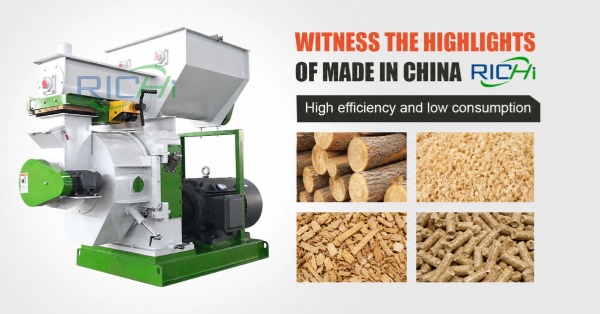
Everything begins with what you’re going to process. Wood pellets can be made from sawdust, wood shavings, wood chips, or even agricultural residues like straw and rice husks. Each material behaves differently. Each one requires a different preparation process.
Sawdust from a furniture shop is already relatively dry and fine. It may only need grinding and pelleting. Wood chips from a forest operation are larger and wetter. They need chipping, grinding, and drying before they can be pelletized. Straw and rice husks are abrasive and have different binding characteristics. They may require specialized dies and conditioning.
The equipment needed to prepare the material adds to the cost. A hammer mill, a dryer, a mixer, and conveyors all add up. If your material is already the right size and moisture content, you can skip some of those steps. If it’s not, you’ll need to invest in the equipment to get it there.
Capacity Determines the Scale
The second major factor is capacity. How many tons per hour do you need to produce? A small pellet mill might produce 200 to 500 kilograms per hour. A large industrial line might produce 5 to 10 tons per hour. The price scales with the throughput.
But the relationship isn’t linear. A machine that produces twice as much doesn’t cost twice as much. Larger machines are more efficient per ton of output. They use bigger motors, larger dies, and heavier construction. The cost per ton of capacity goes down as the scale goes up.
That’s why it’s important to match the capacity to your actual needs. If you’re producing for your own heating, a small line might be enough. If you’re selling pellets commercially, you need a larger line to meet demand and achieve a reasonable return on investment. Oversizing ties up capital. Undersizing means you’re always running to keep up.
The Pellet Mill Is the Heart
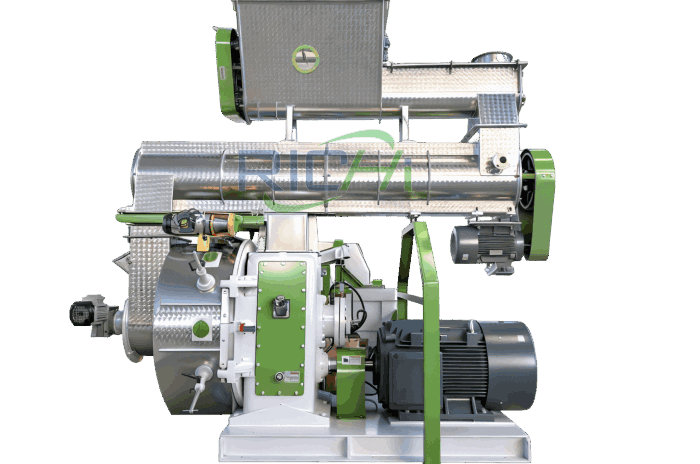
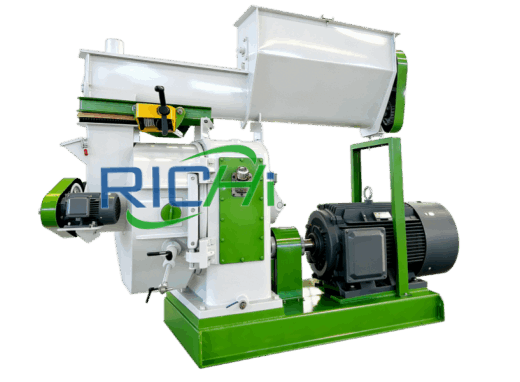
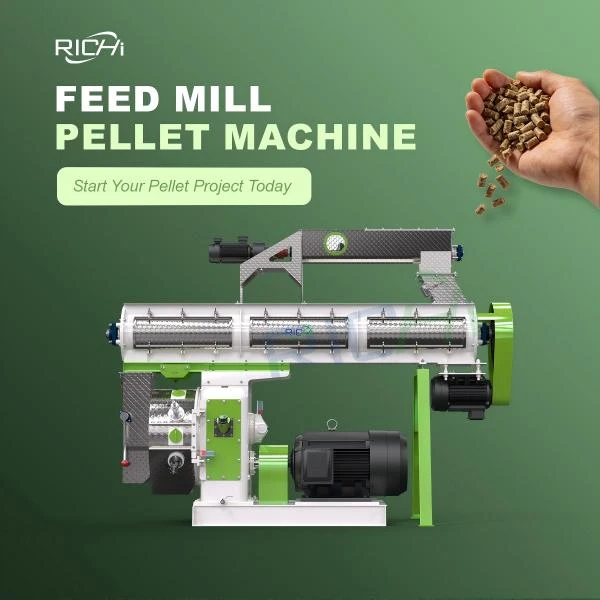
The centerpiece of any pellet production line is the pellet mill. This is the machine that compresses the material into pellets. It’s also one of the most expensive components. A pellet mill for wood pellets is built to handle high pressure, abrasive materials, and continuous operation. The die and rollers are made from wear-resistant alloys. The drive system is robust. The control system manages the feed rate, conditioning, and temperature.
The quality of the pellet mill determines the quality of the pellets. A cheap mill may produce soft, crumbly pellets that fall apart in storage. A well-built mill produces dense, durable pellets that burn efficiently and command a higher price. The difference in cost between a cheap mill and a quality mill is often recovered within the first year through better product quality and lower maintenance.
Automation and Labor
Another factor that affects the price is the level of automation. A manual line requires operators to monitor and adjust the equipment constantly. An automated line uses sensors and controls to manage the process with minimal intervention. Automated lines cost more upfront, but they reduce labor costs and improve consistency.
For a small operation, a manual or semi-automatic line may be sufficient. The operator can adjust the feed rate and monitor the pellet quality. For a large commercial plant, automation is essential. It keeps the line running smoothly, reduces downtime, and ensures that every ton of pellets meets the same specification.
The savings from automation come in two forms. First, you need fewer workers to run the line. Second, you get more consistent output, which means fewer rejected batches and less waste. Over time, those savings can be substantial.
The Supporting Equipment
A pellet mill on its own doesn’t make a production line. You need the supporting equipment to prepare the material, cool the pellets, and screen out fines. That includes hammer mills, dryers, mixers, conditioners, coolers, screeners, and conveyors.
Each piece of equipment adds to the cost. But it also adds to the quality of the final product. A line without proper drying will produce pellets that mold in storage. A line without proper cooling will produce pellets that crumble. A line without screening will produce pellets that contain too many fines. The supporting equipment is not optional if you want to produce a marketable product.
The Manufacturer and Support
The manufacturer you choose also affects the price. A company with decades of experience, a proven track record, and a global support network charges more than a new company with no history. But that higher price often comes with better engineering, better components, and better support.
Support matters in several ways. Installation guidance helps you get the line set up correctly. Operator training helps you run it efficiently. Spare parts availability keeps you running when something wears out. Technical assistance helps you solve problems when they arise. A manufacturer who provides these things is worth paying more for.
What the Price Actually Includes
When you ask for a wood pellet production line price, you’re not just buying a machine. You’re buying a system. The price should include the pellet mill, the grinder, the dryer, the mixer, the cooler, the screener, the conveyors, the electrical controls, and the structural steel. It should include design, engineering, and project management. It should include shipping, installation, and commissioning. It should include training and a warranty.
Some suppliers quote a low price for the main machine and then add on the extras. Others quote a complete package. It’s important to compare apples to apples. A low quote that doesn’t include the necessary equipment is not really a low quote. A higher quote that includes everything you need may actually be the better value.
The Hidden Costs
Beyond the equipment, there are other costs to consider. Site preparation, foundation work, electrical supply, and permits all add to the project cost. You may need to build a building to house the line. You may need to upgrade your power supply. You may need to invest in material handling equipment to move raw materials and finished pellets.
Operating costs are another consideration. Electricity, labor, maintenance, and replacement parts all add up. A line that is energy-efficient will cost less to run. A line that is easy to maintain will cost less in downtime. A line that uses standard parts will cost less to repair.
Evaluating the Investment
The right way to evaluate a pellet line is to look at the total cost of ownership, not just the purchase price. Calculate the capital cost, the operating cost, and the expected revenue. Estimate the payback period. If the line can produce pellets at a cost that is lower than the market price, or if it can save you money on heating, the investment may be justified.
The calculation depends on your specific situation. The cost of raw materials, the cost of electricity, the price of pellets, and the utilization rate all affect the outcome. A line that runs at full capacity will pay back faster than one that runs intermittently. A line that produces high-quality pellets will command a better price than one that produces low-quality pellets.
Where to Go From Here
If you’re serious about investing in a pellet production line, the next step is to talk to suppliers. Explain your material, your capacity goals, and your budget. Ask for a detailed quote that includes all the equipment and services you need. Ask for references from other customers. Visit an installation if you can.
The more information you gather, the better your decision will be. Discover this info here to explore equipment options, compare suppliers, and find the line that fits your operation. The right line will pay for itself. The wrong line will cost you more than you expected. The difference is in the research you do before you buy.