



Introduction: The Growing Demand for Sustainable Fuel Alternatives
The global energy landscape is undergoing significant changes. Rising environmental concerns, increasing fuel costs, and the need for renewable resources are encouraging industries to explore cleaner energy alternatives. Among various renewable resources, agricultural biomass has become one of the most practical solutions because it is widely available and continuously renewable.
Every year, large amounts of agricultural residues are generated worldwide. Materials such as corn stalks, rice straw, wheat straw, and other crop leftovers contain valuable organic components that can be transformed into energy products.
Corn stalks, in particular, have attracted attention because of their high availability and suitable physical characteristics. Instead of being treated as waste, they can be processed into dense biomass pellets that are easier to store, transport, and utilize.
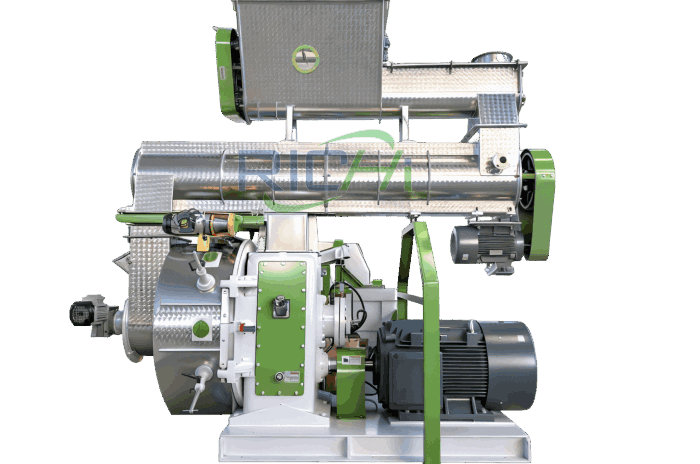
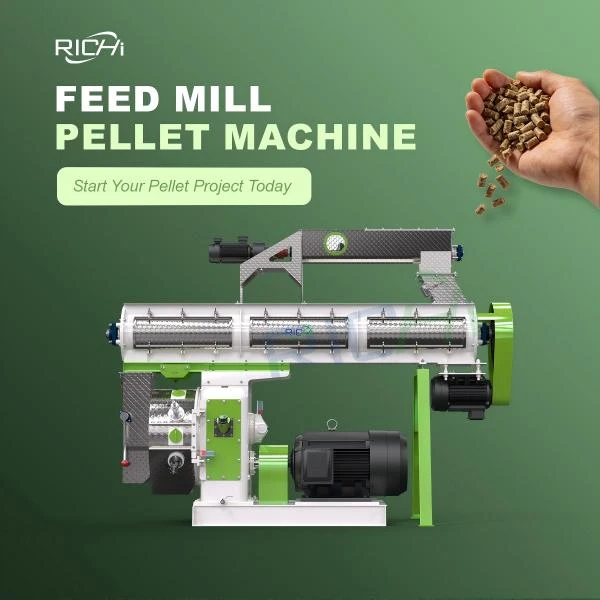
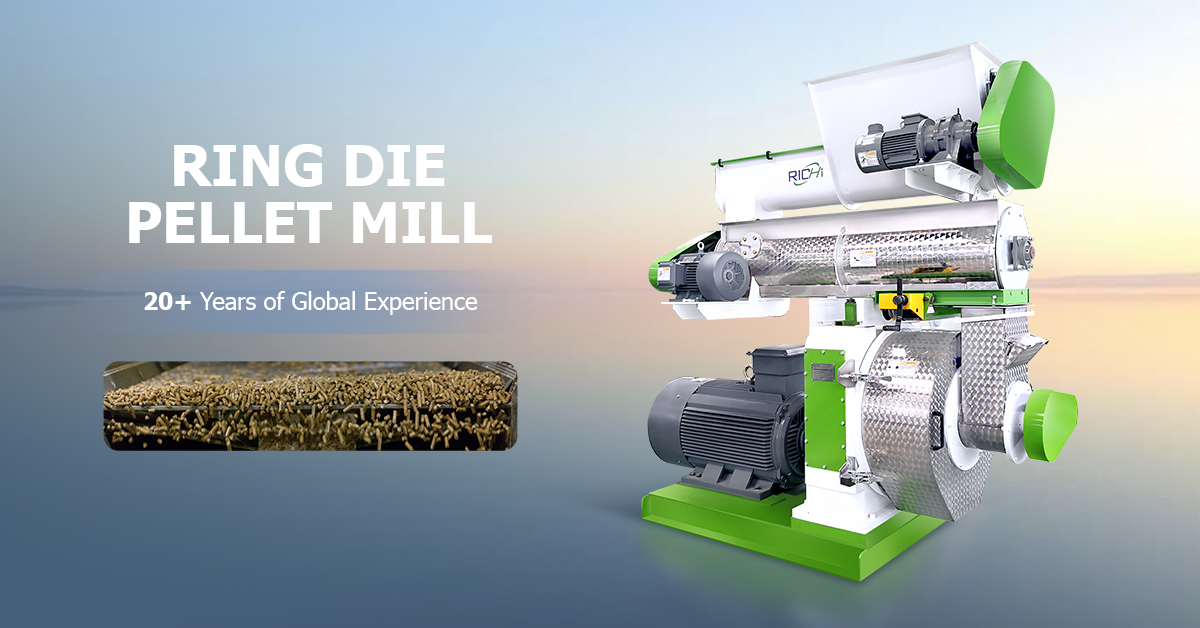
With modern processing technology, farmers and energy companies can establish efficient biomass fuel production systems. A professional corn stalk pelletizer can help convert loose agricultural residues into standardized fuel pellets that meet the requirements of industrial users.
Why Corn Stalks Are Becoming Valuable Biomass Resources
For decades, agricultural residues were often considered a disposal problem. However, advances in biomass processing have changed the way people view these materials.
Corn stalks provide several important advantages for pellet production.
1. Renewable Resource Availability
Corn is cultivated extensively around the world. Major agricultural regions produce significant quantities of corn residues every year.
Unlike fossil fuels, which are limited and require long geological processes to form, agricultural biomass can be regenerated through annual farming activities.
This renewable characteristic makes corn stalks an attractive option for long-term energy development.
2. Reduced Environmental Pressure
Open burning of crop residues remains a challenge in some agricultural areas. It can cause:
- Air quality problems
- Smoke pollution
- Loss of valuable resources
- Increased carbon emissions
By processing corn stalks into pellets, agricultural waste can be reused effectively while reducing environmental impact.
3. Convenient Fuel Characteristics
Raw corn stalks have low density and are difficult to transport over long distances. Pelletizing solves this problem by compressing biomass into compact fuel particles.
Compared with loose straw, biomass pellets offer:
- Higher density
- Easier transportation
- Better storage performance
- More stable combustion
These advantages make them suitable for commercial energy applications.
How Does Corn Stalk Pellet Production Work?
A successful biomass fuel project requires a complete understanding of the production process.
Raw Material Collection
The first step is collecting sufficient corn stalk resources. Many successful projects establish cooperation with local farmers or agricultural organizations.
A stable supply chain ensures continuous operation and prevents production interruptions.
Crushing and Material Preparation
Corn stalks must be reduced into smaller particles before pellet production. Crushing improves material uniformity and helps the pelletizing process operate more efficiently.
The size of biomass particles influences:
- Pellet density
- Production capacity
- Energy consumption
- Final product quality
Drying and Moisture Adjustment
Moisture control is critical in biomass pellet manufacturing.
Proper moisture improves:
- Compression performance
- Pellet durability
- Production stability
Different climates and storage conditions may require different drying solutions.
Pellet Formation
During pelletizing, biomass particles are compressed through a die under high pressure. The internal structure of plant materials allows natural binding, creating solid pellets.
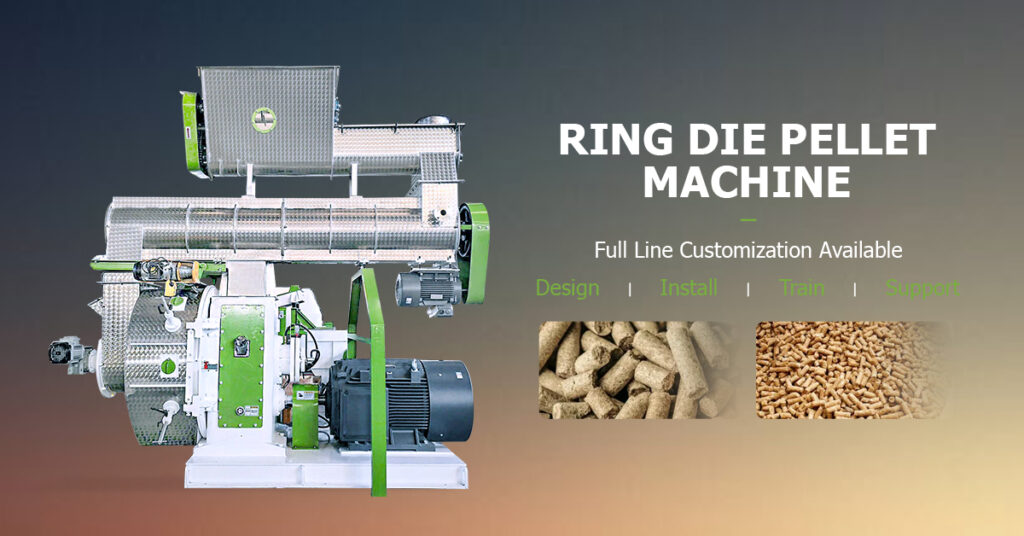
The production capacity depends on project requirements. Businesses planning agricultural residue projects may evaluate equipment solutions such as 3-4 T/H rice straw pellet mill for sale because rice straw has similar processing characteristics to corn stalks.
Cooling, Screening, and Packaging
After pellet formation, the products need cooling and screening.
Cooling improves hardness, while screening removes broken pellets and improves product consistency.
Finally, packaged pellets can be delivered to:
- Heating companies
- Industrial users
- Biomass power plants
- Fuel distributors
Factors Affecting Corn Stalk Pellet Business Profitability
Starting a biomass pellet business requires careful planning. Several factors influence investment returns.
Raw Material Cost
The availability and purchasing price of corn stalks directly affect profitability.
Projects located near large agricultural areas usually have advantages because transportation costs can be reduced.
(Related Post: https://biomasspelletizer.com/hay-pellet-machine-for-sale/)
Equipment Efficiency
High-efficiency equipment can lower production costs by reducing:
- Electricity consumption
- Maintenance frequency
- Production downtime
Selecting reliable machinery is essential for long-term operation.
Market Demand
Before building a production facility, investors should research local fuel demand.
Potential customers include:
- Industrial boilers
- Agricultural processing plants
- Commercial heating suppliers
- Renewable energy companies
A clear sales strategy helps maintain stable business growth.
How Technology Improves Biomass Pellet Manufacturing
Modern biomass production is no longer limited to simple mechanical processing. Advanced technologies are improving efficiency and product quality.
Automated Control Systems
Automation allows operators to monitor production conditions in real time.
Benefits include:
- More stable operation
- Reduced labor requirements
- Better production management
Customized Production Solutions
Different regions have different raw materials and market conditions. Customized production lines can optimize performance according to specific requirements.
Professional suppliers usually analyze:
- Material characteristics
- Required output
- Factory space
- Investment budget
before recommending suitable solutions.
Improved Equipment Design
Modern biomass machines focus on:
- Higher durability
- Lower energy consumption
- Easier maintenance
- Longer service life
Companies looking for reliable biomass processing technologies often explore solutions provided by Richi Pellet Mill to understand different production configurations and equipment advantages.
Comparing Corn Stalk Pellets with Traditional Fuels
Biomass pellets provide several advantages compared with conventional fossil fuels.
Environmental Benefits
Biomass pellets come from renewable agricultural resources and help reduce dependence on coal and other non-renewable fuels.
Economic Advantages
As fuel markets change, biomass pellets can provide a cost-effective alternative for many users.
Local Resource Utilization
Using locally available agricultural residues reduces transportation dependence and supports rural economies.
Challenges in Developing Corn Biomass Projects
Although the industry has strong potential, investors should consider several challenges.
Seasonal Availability
Corn harvesting occurs during specific periods, requiring proper storage planning.
Solutions include:
- Building warehouses
- Developing collection networks
- Managing inventory carefully
Raw Material Differences
Corn stalk quality varies depending on:
- Climate
- Soil conditions
- Harvest methods
- Storage environment
Production parameters should be adjusted accordingly.
Initial Investment
A complete biomass pellet plant requires investment in equipment, infrastructure, and operation management.
However, long-term benefits from fuel sales and resource utilization can provide attractive returns.
The Future of Corn Stalk Pellet Industry
The demand for renewable energy is expected to continue growing. Agricultural biomass will likely become an important component of future energy systems.
Future development directions include:
- More automated pellet plants
- Better energy efficiency
- Smart monitoring systems
- Expanded biomass fuel markets
- Integration with agricultural industries
Businesses and researchers interested in learning more about biomass technology development can explore helpful resources to understand industry trends and practical applications.
Conclusion: Building a Cleaner Energy Future with Agricultural Biomass
Corn stalk pellet production represents a powerful combination of environmental protection and economic development. By transforming agricultural waste into renewable fuel, businesses can create new value while supporting sustainable energy goals.
The success of a biomass pellet project depends on proper planning, reliable equipment, stable raw material supply, and strong market development.
As renewable energy demand continues increasing worldwide, corn stalks will become more than agricultural leftovers. They will become an important resource supporting the transition toward cleaner and more sustainable energy systems.