Poultry feed production is a highly organized industrial process that transforms raw agricultural materials into balanced, nutritious, and easily digestible feed for chickens, ducks, turkeys, and other poultry species. As the global demand for poultry meat and eggs continues to rise, feed production has become a critical part of modern agriculture. Efficient feed manufacturing ensures better bird growth, improved feed conversion ratios, reduced waste, and higher profitability for farmers.
To achieve consistent feed quality and large-scale production efficiency, poultry feed manufacturing relies on a series of specialized machines. Each machine plays a specific role in the production line, from raw material processing to final packaging. Among these, the poultry feed making machine price is an important consideration for investors because it directly affects startup costs and overall production planning.
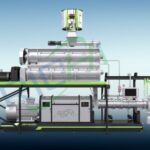
A complete poultry feed production system typically includes raw material processing equipment, grinding machines, mixing machines, pelletizing machines, cooling systems, screening equipment, and packaging machines. These machines work together in a continuous flow to ensure efficient and high-quality feed production.
One of the most important machines in poultry feed production is the grinding machine, often called a hammer mill. Raw materials such as corn, soybean meal, wheat, and rice bran are usually too coarse for direct feed formulation. The grinding machine reduces these materials into fine particles, ensuring uniform size and improving digestibility. Proper grinding is essential because particle size directly affects feed quality and pellet formation efficiency.
After grinding, the next key machine is the mixing machine. A feed mixer ensures that all ingredients are evenly distributed. Poultry feed contains multiple components including energy sources, protein sources, vitamins, minerals, and additives. If these ingredients are not properly mixed, birds may receive unbalanced nutrition, leading to poor growth and health issues. High-efficiency mixers ensure uniform distribution of nutrients in every batch of feed.
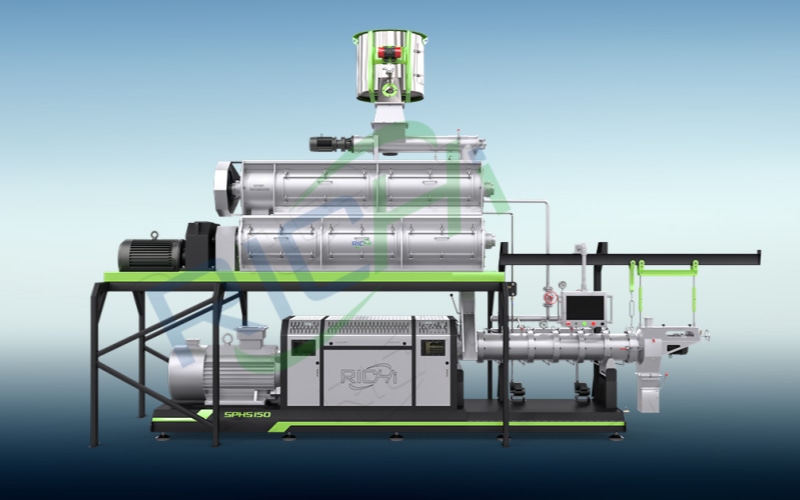
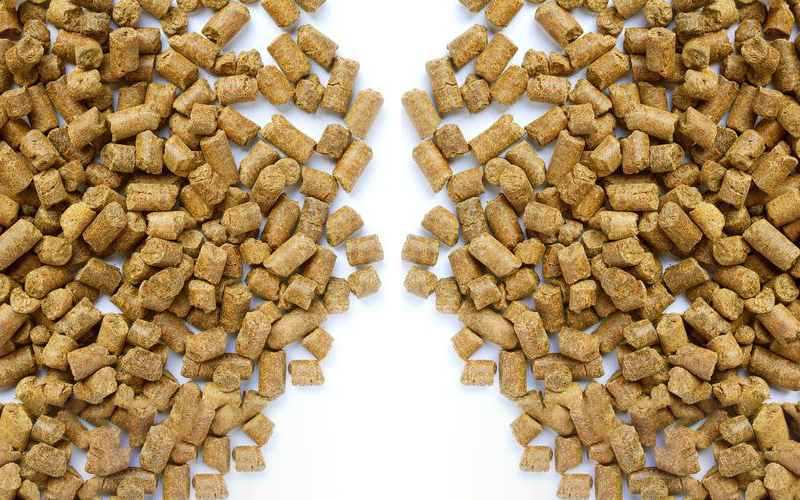
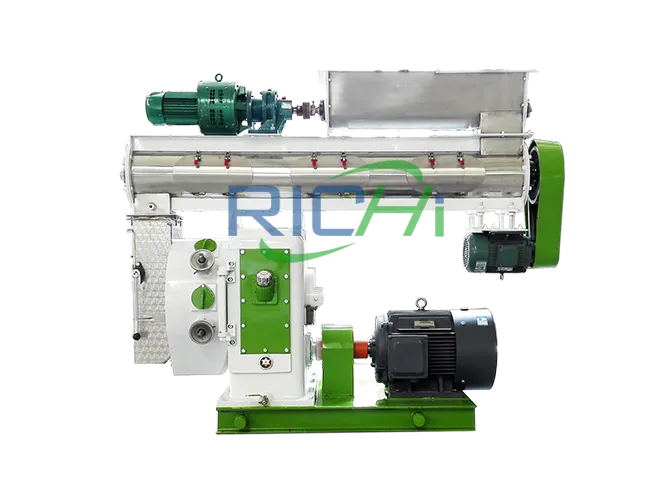
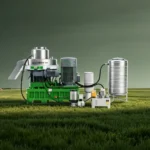
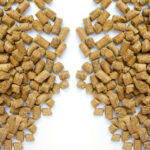
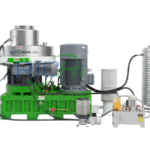
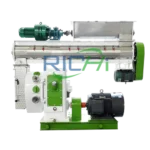
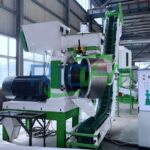
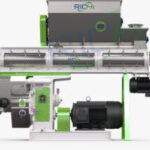
The pelletizing machine is the core equipment in poultry feed production. This machine compresses powdered feed into compact pellets under high pressure and temperature. Pellet feed is easier for poultry to consume and improves feed efficiency. The pelletizing process also reduces feed waste and enhances nutrient absorption.
The poultry feed pellet machine works by forcing conditioned feed through a die using rotating rollers. The resulting pellets are cut into uniform lengths and then discharged for further processing. Pellet size can be adjusted according to the type of poultry being fed. For example, chicks require smaller pellets, while adult chickens require larger ones.
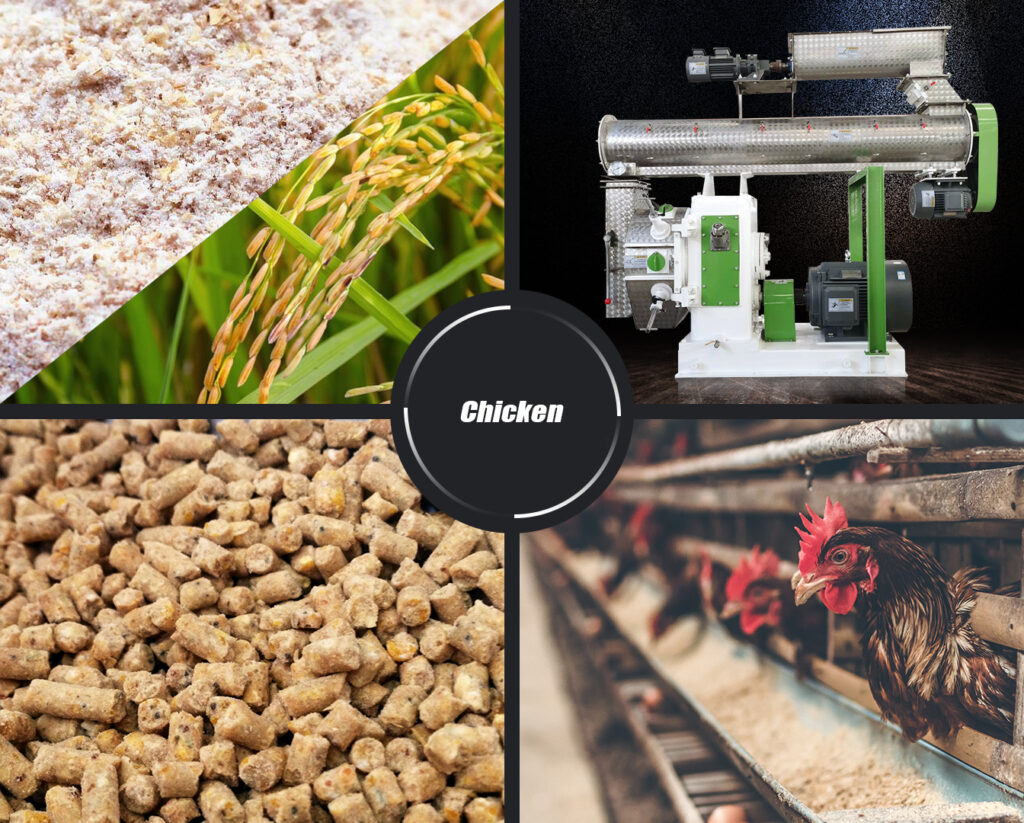
(Related machine: efficient chicken feed pellet machine for sale)
Another essential machine in poultry feed production is the conditioning machine. Conditioning involves adding steam and moisture to the feed before pelletizing. This process improves feed texture, increases starch gelatinization, and enhances binding properties. Conditioning also helps reduce harmful bacteria, improving feed safety and hygiene.
After pelletizing, the feed must be cooled using a cooling machine. Freshly produced pellets are hot and contain moisture, making them unstable for storage. The cooling machine reduces temperature and moisture content, stabilizing pellet structure and improving durability. Proper cooling ensures that feed can be stored for long periods without spoilage.
Screening machines are also important in poultry feed production. After cooling, pellets are screened to remove broken pieces, dust, and oversized particles. This ensures that only high-quality feed is packaged and sold. Rejected materials can often be recycled back into the production process, improving efficiency and reducing waste.
Packaging machines are used at the final stage of production. These machines automatically weigh and pack feed into bags for storage or distribution. Proper packaging protects feed from moisture, contamination, and nutrient loss. It also makes transportation and handling more convenient for farmers and distributors.
In addition to these core machines, conveyor systems play an important role in connecting different stages of production. Conveyors transport raw materials and finished products between machines, reducing manual labor and improving production efficiency. Automated conveyor systems are especially important in large-scale feed factories. (visit the site)
Dust collection systems are also commonly used in poultry feed production facilities. Grinding and mixing processes generate dust, which can affect both product quality and worker safety. Dust collection systems help maintain a clean production environment and improve air quality within the factory.
In modern feed production plants, automation systems are increasingly important. Computer-controlled systems manage ingredient proportions, monitor machine performance, and adjust production parameters in real time. Automation improves accuracy, reduces human error, and ensures consistent feed quality.
When planning a poultry feed production business, one of the most important considerations is equipment investment. The poultry feed making machine price varies depending on capacity, automation level, material quality, and brand. Small-scale machines designed for local farms may be relatively affordable, while large industrial production lines require significant investment.
For example, a basic pellet machine suitable for small farms may have a lower poultry feed making machine price, making it accessible for beginners or small entrepreneurs. However, high-capacity automated systems used in commercial feed factories can be much more expensive but offer higher efficiency and lower long-term production costs.
It is important for investors to evaluate not only the initial purchase cost but also long-term operational efficiency. A cheaper machine may reduce upfront investment but could lead to higher maintenance costs, lower productivity, and inconsistent feed quality. On the other hand, a higher-quality machine may have a higher initial poultry feed making machine price but provides better durability, energy efficiency, and production stability.
Energy efficiency is another important factor in machine selection. Feed production requires electricity for grinding, mixing, and pelletizing. Machines that consume less energy while maintaining high output capacity can significantly reduce operational costs over time. This is especially important for large-scale feed production businesses where continuous operation is required.
Raw material flexibility is also a key advantage of modern poultry feed production machines. These machines can process a wide range of agricultural materials such as corn, wheat, rice bran, cassava, and soybean meal. This flexibility allows producers to adjust feed formulas based on local availability and price fluctuations, reducing overall production costs.
Feed quality control is another critical function of poultry feed production machinery. High-quality machines ensure consistent particle size, uniform mixing, and stable pellet formation. Consistency in feed quality leads to better bird performance, higher feed conversion efficiency, and reduced mortality rates in poultry farming.
Maintenance is also an important aspect of poultry feed machinery operation. Regular cleaning, lubrication, and inspection of equipment such as pellet machines, grinders, and mixers help maintain stable performance and extend machine lifespan. Proper maintenance reduces downtime and ensures continuous production.
Environmental sustainability is becoming increasingly important in poultry feed production. Modern machines are designed to reduce energy consumption, minimize waste, and improve resource utilization. Efficient feed production also reduces environmental impact by improving feed conversion rates and reducing raw material usage.
The integration of multiple machines into a complete production line is what makes modern poultry feed manufacturing efficient. Each machine plays a specific role, and together they form a continuous production system that can produce large quantities of high-quality feed with minimal labor.
In conclusion, poultry feed production relies on a series of essential machines, including grinding machines, mixing machines, pellet machines, conditioning systems, cooling equipment, screening machines, and packaging units. Among these, the pellet machine is the most important because it determines the final form and quality of the feed.
Understanding the poultry feed pellet making machine price is crucial for anyone planning to start a feed production business. It helps investors choose the right equipment based on budget, production capacity, and long-term goals. While initial costs vary, investing in high-quality machines ensures better efficiency, lower operating costs, and higher profitability in the long run.
As global demand for poultry products continues to grow, efficient feed production systems will play an increasingly important role in supporting the agriculture industry. Modern machinery makes it possible to produce high-quality feed at scale, ensuring sustainable and profitable poultry farming for the future.