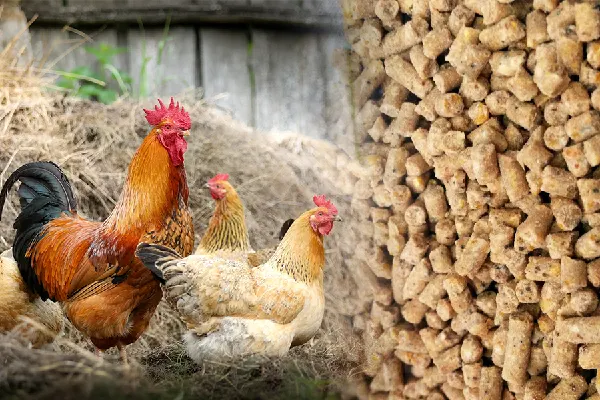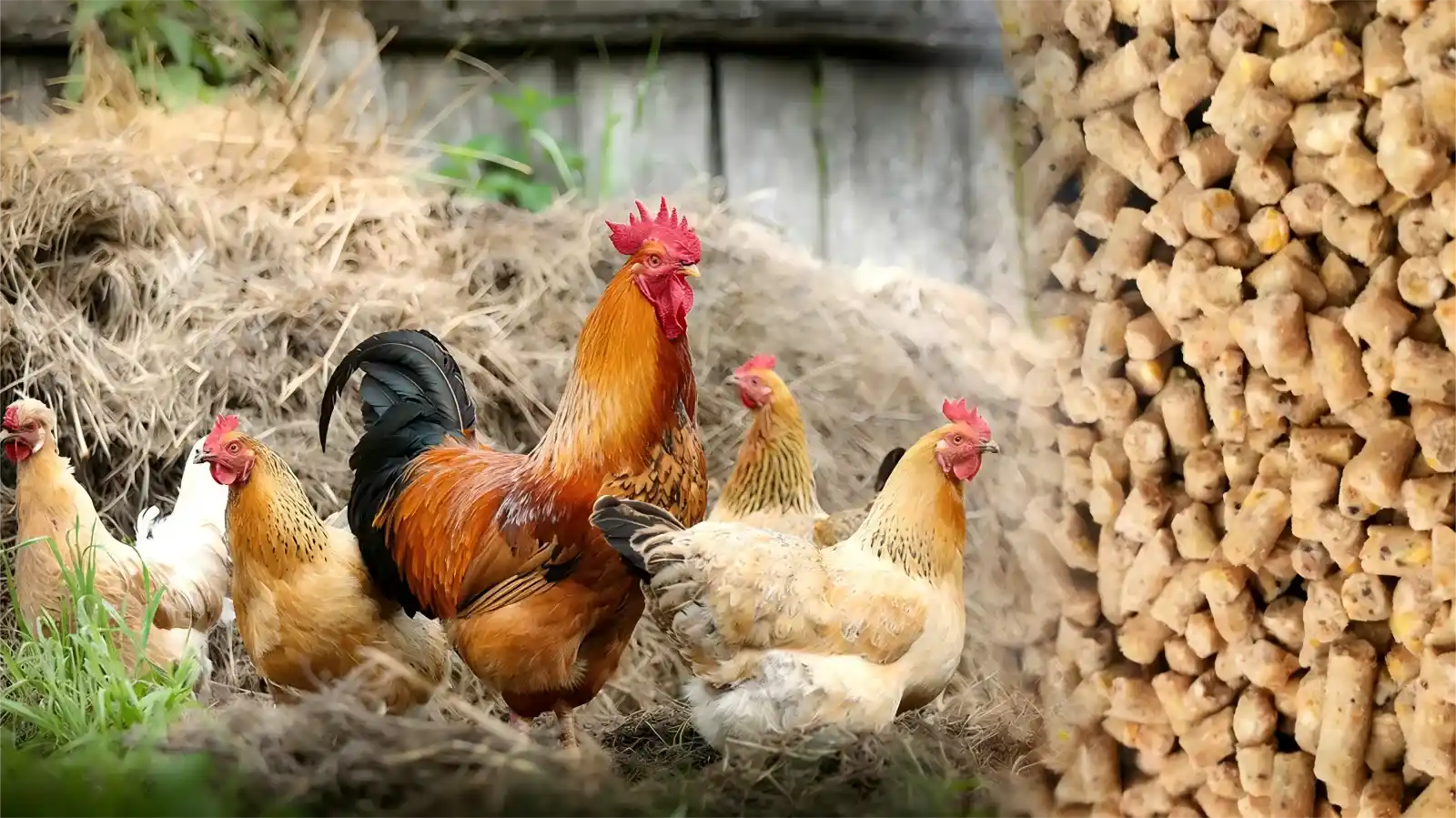




Animal feed pellets have become a cornerstone of modern livestock production. As global demand for meat, eggs, milk, and aquaculture products continues to rise, feed manufacturers are under increasing pressure to produce efficient, nutritious, and cost-effective feed. At the heart of this system lies one critical factor: raw materials.
The quality, balance, and composition of raw materials directly determine the nutritional value, digestibility, and performance of animal feed pellets. Whether the goal is to raise poultry, cattle, fish, or rabbits, selecting the right ingredients is essential for achieving optimal growth and farm profitability.
This article provides a comprehensive overview of the raw materials used in animal feed pellets, their functions, and how they are combined in modern feed formulation systems such as a poultry feed pellet plant.

1. Understanding Animal Feed Pellet Composition
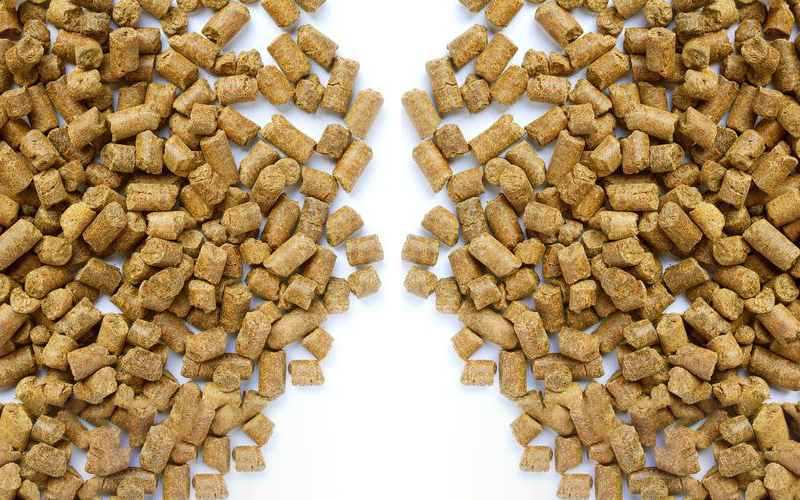
Animal feed pellets are produced by compressing a carefully formulated mixture of raw materials into compact, uniform shapes. Each pellet contains a balanced combination of:
- Energy sources
- Protein sources
- Fiber materials
- Vitamins and minerals
- Functional additives
The goal is to ensure that every bite delivers consistent nutrition, regardless of animal species or production stage.
Different animals require different nutritional ratios, which means raw materials must be selected and adjusted accordingly. (find here)
2. Energy-Rich Raw Materials
Energy is the foundation of animal growth. Without sufficient energy, animals cannot efficiently convert feed into body mass, milk, or eggs.
2.1 Corn (Maize)
Corn is the most widely used energy source in animal feed pellets. It is highly digestible and rich in carbohydrates.
Key benefits:
- High starch content (excellent energy supply)
- Good palatability
- Easy to process and grind
- Suitable for almost all livestock species
Corn is especially important in poultry and swine diets and is a core ingredient in most commercial feed formulations.
2.2 Wheat and Wheat Bran
Wheat provides both energy and moderate protein content.
Advantages include:
- Good binding properties during pelleting
- Balanced energy release
- High digestibility
Wheat bran, a by-product of milling, is often used as a fiber source and energy supplement.
2.3 Barley
Barley is commonly used in ruminant feed and some poultry diets.
Benefits:
- Moderate energy level
- High fiber content
- Supports digestive health in cattle and sheep
2.4 Rice By-products
Rice bran and broken rice are widely used in Asia and other rice-producing regions.
Advantages:
- Cost-effective energy source
- Contains oil and vitamins
- Improves feed texture
3. Protein-Rich Raw Materials
Protein is essential for muscle development, egg production, milk yield, and overall growth.
3.1 Soybean Meal
Soybean meal is the most important plant-based protein source in animal feed pellets.
Key characteristics:
- High protein content (40–50%)
- Rich in essential amino acids
- Highly digestible
- Widely available globally
It is a core ingredient in poultry, pig, and fish feed formulations.
3.2 Fish Meal
Fish meal is an animal-based protein source used in high-performance feed.
Benefits:
- Extremely high protein content
- Rich in omega-3 fatty acids
- Excellent growth promoter for fish and poultry
Although more expensive, it is essential in aquaculture feed.
3.3 Cottonseed Meal and Rapeseed Meal
These are plant-based protein alternatives.
Advantages:
- Lower cost compared to soybean meal
- Good protein content
- Suitable for ruminant feed
However, they require careful processing due to anti-nutritional factors.
3.4 Corn Gluten Meal
Corn gluten meal is a by-product of corn processing.
Benefits:
- High protein content
- Good amino acid profile
- Enhances pellet binding
4. Fiber Materials for Digestive Health
Fiber is essential for proper digestion, especially in ruminants and rabbits.
4.1 Alfalfa
Alfalfa is one of the best natural fiber sources.
Benefits:
- High fiber and moderate protein
- Rich in vitamins and minerals
- Improves rumen function in cattle
- Enhances gut health in rabbits
4.2 Straw and Hay
Straw (wheat, rice, or corn straw) is widely used in ruminant feed pellets.
Advantages:
- Low cost
- High fiber content
- Helps maintain digestive balance
4.3 Grass Meal
Grass meal is commonly used in herbivore feed formulations.
Benefits:
- Natural fiber source
- Rich in chlorophyll and micronutrients
- Improves feed palatability for grazing animals
5. Mineral and Vitamin Premixes
Micronutrients are required in small amounts but are essential for animal health.
5.1 Common minerals include:
- Calcium (bone development)
- Phosphorus (energy metabolism)
- Sodium and potassium (electrolyte balance)
- Zinc, copper, and selenium (immune support)
5.2 Vitamins include:
- Vitamin A (vision and growth)
- Vitamin D (bone health)
- Vitamin E (immune function)
- B-complex vitamins (metabolism support)
These are typically added as premixes to ensure precise nutritional balance.
6. Oil and Fat Sources
Fats provide concentrated energy and improve feed palatability.
Common fat sources:
- Vegetable oil (soybean oil, palm oil)
- Animal fat
- Fish oil
Benefits:
- High energy density
- Improves feed texture
- Enhances absorption of fat-soluble vitamins
- Reduces dust in feed pellets
7. Additives and Functional Ingredients
Modern animal feed pellets often include additives that improve performance, health, and feed efficiency.
7.1 Enzymes
- Improve nutrient digestion
- Break down complex carbohydrates
7.2 Probiotics
- Improve gut microbiota
- Enhance immunity
7.3 Amino acids
- Lysine, methionine, and threonine improve protein balance
7.4 Antibiotic alternatives
- Used to promote growth and prevent disease (in some regions restricted)
8. Raw Material Formulation Differences by Animal Type
Different animals require different combinations of raw materials.
8.1 Poultry feed
Typical composition:
- Corn (energy)
- Soybean meal (protein)
- Wheat bran
- Vitamin and mineral premix
- Oil supplements
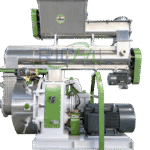
This formulation is widely produced in a poultry feed pellet plant, which is designed to ensure fine grinding, uniform mixing, and precise pellet size for chickens, ducks, and turkeys.
https://pelletisingmachine.com/poultry-feed-production-line
8.2 Cattle and sheep feed
- High fiber (alfalfa, straw, grass)
- Moderate energy (corn, barley)
- Lower protein requirement
8.3 Fish feed
- Fish meal (high protein)
- Soybean meal
- Oil supplements
- Binding agents for water stability
8.4 Rabbit feed
- High fiber (alfalfa, grass meal)
- Moderate protein
- Low starch content to protect digestion
9. Importance of Raw Material Quality
The quality of raw materials determines:
- Pellet durability
- Animal growth performance
- Feed digestibility
- Disease resistance
- Production cost efficiency
Poor-quality raw materials can lead to:
- Reduced feed efficiency
- Health problems in livestock
- Lower market value of animal products
Therefore, feed manufacturers must carefully control sourcing and storage.
10. Storage and Handling of Raw Materials
Proper storage is essential to maintain raw material quality.
Key considerations include:
- Moisture control to prevent mold
- Pest control systems
- Temperature regulation
- FIFO (first in, first out) inventory management
Grain silos and warehouses are commonly used in industrial feed production systems.
11. Role of Raw Materials in Pellet Quality
Raw materials directly affect:
- Pellet hardness
- Nutritional balance
- Water stability (especially for fish feed)
- Palatability
- Dust formation
A well-designed formulation ensures smooth production in machines like a poultry feed pellet plant, where consistency and efficiency are critical.
12. Sustainability and Alternative Raw Materials
As sustainability becomes more important, feed producers are increasingly using:
- Agricultural by-products (straw, husks, bran)
- Food industry waste
- Alternative protein sources (insects, algae in some regions)
These materials help reduce costs and environmental impact while maintaining feed quality.
Conclusion
Raw materials are the foundation of animal feed pellet production. From energy-rich grains like corn to protein sources like soybean meal and fish meal, each ingredient plays a specific role in supporting animal growth, health, and productivity.
Fiber materials, vitamins, minerals, oils, and additives work together to create balanced nutrition tailored to different livestock species. When properly formulated and processed in systems such as a poultry feed pellet plant, these raw materials are transformed into high-quality feed pellets that drive modern livestock efficiency.
Understanding raw materials is not only essential for feed manufacturers but also for farmers and investors seeking to optimize animal production and achieve long-term success in the agricultural industry.