Introduction: Why Extrusion Technology Matters More Than Ever
Global aquaculture and animal feed industries are undergoing rapid transformation. As demand for high-quality protein increases, manufacturers are under pressure to produce feed that is not only cost-efficient but also nutritionally optimized and environmentally sustainable.
In this context, extrusion technology has become a core processing method in modern feed plants. Compared with traditional pelletizing systems, extrusion offers superior gelatinization, better digestibility, and improved water stability—especially important for aquatic feed applications.
Among different extrusion systems, the single screw structure remains one of the most widely used due to its balance of cost, stability, and versatility.
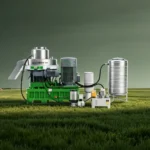
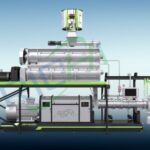
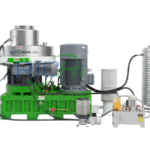
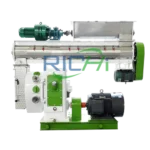
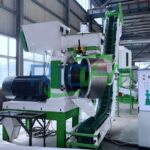
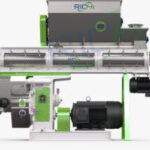
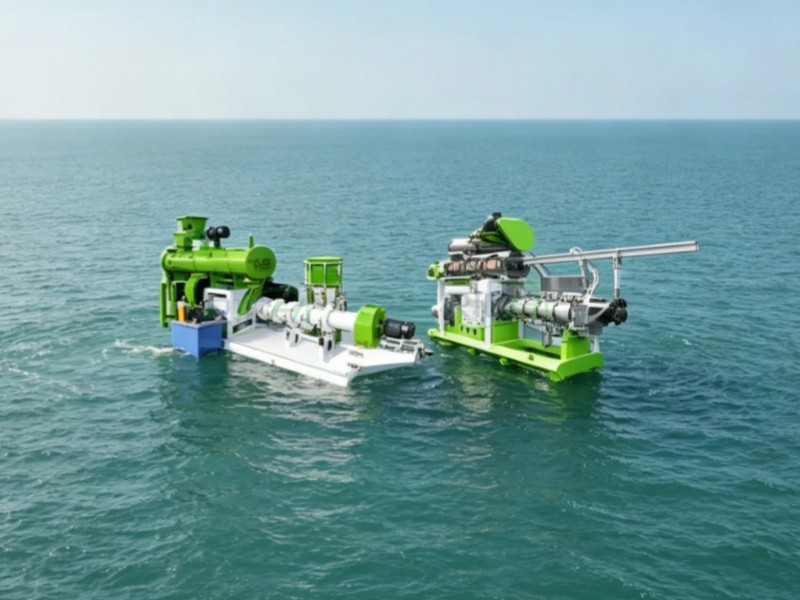
In many modern production lines, operators still rely on single screw extruder machine as a foundational processing unit for feed shaping and expansion.
1. Understanding the Role of Single Screw Extrusion in Feed Processing
Single screw extrusion is a thermal-mechanical process where raw materials are pushed through a barrel using a rotating screw. Under controlled temperature and pressure, the material undergoes gelatinization and expansion before being shaped into pellets.
This process is essential for:
- Improving starch digestibility
- Enhancing pellet durability
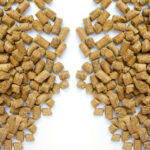
- Controlling pellet density (floating or sinking)
- Increasing feed conversion efficiency
Compared to more complex systems, a single screw extrusion machine provides a more stable and cost-effective solution for small and medium-scale production plants.
2. Growing Demand in Aquaculture Feed Production
The aquaculture industry is expanding globally, especially in Asia, South America, and Africa. Fish farming requires high-performance feed that can float consistently and maintain structural integrity in water.
This has significantly increased demand for extrusion systems such as:
- Floating fish feed systems
- Shrimp feed production lines
- Special aquafeed processing units
Many investors are actively searching for high efficient floating fish feed extruder machine for sale to improve production efficiency and reduce feed loss in water environments.
Floating feed also allows farmers to monitor feeding behavior, reducing overfeeding and environmental pollution.
3. Production Capacity Segmentation in Modern Feed Plants
Feed production plants are typically divided based on capacity levels:
Small-scale production
- 0.2–1 T/H systems
- Suitable for farms or pilot factories
- Lower investment and simple operation
Medium-scale production
- 1–2 T/H systems
- Suitable for regional feed suppliers
- Balanced automation and cost efficiency
Industrial-scale production
- 2–3 T/H and above
- Fully automated continuous production
- Designed for export-oriented factories
Among these, 0.2-1 T/H fish feed extruder for sale systems are widely chosen by startups entering aquaculture feed manufacturing due to lower entry barriers.
4. Equipment Selection and Engineering Considerations
Choosing extrusion equipment is not just about capacity. Several technical factors must be considered:
- Raw material composition (protein, starch, fiber content)
- Moisture control before extrusion
- Barrel temperature zoning
- Screw design and wear resistance
- Die configuration for pellet shaping
For example, high-starch formulations require better gelatinization control, while high-protein diets require more stable pressure control.
In practical engineering applications, many factories rely on integrated suppliers such as Richi Machinery, which provide complete feed production line solutions including grinding, mixing, extrusion, drying, and packaging systems.
5. Full Feed Production Line Integration
A modern feed plant is not a single machine setup but a fully integrated system. A complete extrusion-based feed line usually includes:
- Raw material crushing system
- Mixing system
- Conditioning and pre-treatment
- Extrusion system
- Drying system
- Oil spraying and coating system
- Cooling and packaging
Each stage affects final pellet quality.
Without proper integration, even high-quality extrusion equipment cannot perform optimally.
6. Technological Improvements in Modern Extrusion Systems
Recent advancements in extrusion technology focus on improving efficiency and reducing energy consumption.
Key improvements include:
1. Intelligent temperature control
Ensures consistent gelatinization throughout the process.
2. Optimized screw design
Improves mixing and reduces wear.
3. Energy-saving motors
Reduces operational cost per ton of feed.
4. Automated feeding systems
Stabilizes raw material input for consistent output.
These innovations significantly enhance production stability and reduce long-term maintenance costs.
7. Market Trends and Industry Development
The global feed processing industry is shifting toward:
- Higher automation
- Sustainable production
- Reduced energy consumption
- Better feed conversion ratios
- Digital monitoring systems
Modern manufacturers increasingly use reference platforms such as browse around here to evaluate technical solutions and compare production performance across different suppliers.
8. Role of Professional Machinery Manufacturers
Reliable equipment suppliers play a critical role in production success.
Companies like Richi Pellet Machine focus on delivering turnkey feed production solutions that help customers reduce installation complexity and improve production efficiency.
Such manufacturers typically provide:
- Plant design and layout planning
- Equipment manufacturing and customization
- Installation guidance
- Operator training
- After-sales technical support
This integrated approach significantly reduces project risk for new investors.
9. Cost Efficiency and ROI Considerations
Investing in extrusion systems requires careful ROI analysis. Key cost factors include:
- Energy consumption
- Maintenance frequency
- Spare part replacement cycles
- Labor requirements
- Production stability
Although initial investment may be higher than traditional pellet mills, extrusion systems generally offer better long-term profitability due to improved feed quality and reduced waste.
10. Practical Applications in Real Feed Plants
Single screw extrusion systems are widely used in:
- Fish farming feed production
- Shrimp aquaculture feed plants
- Pet food processing
- Biomass pellet shaping
- Agricultural byproduct utilization
This versatility makes them one of the most widely adopted technologies in feed manufacturing.
Operators often consult technical references such as read here to optimize system settings and improve production efficiency.
Conclusion: Why Single Screw Extrusion Still Leads the Market
Despite the emergence of more advanced twin-screw systems, single screw extrusion remains a dominant choice in many feed production environments.
Its advantages include:
- Stable performance
- Lower operational cost
- Easier maintenance
- Wide raw material adaptability
With continuous technological upgrades, it continues to play a central role in global aquaculture feed production.
(Related Post: https://www.richipelletmill.com/twin-screw-extrusion-machine/ )


