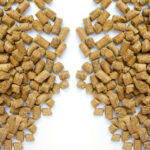
The biomass energy industry is developing rapidly as businesses and governments search for sustainable alternatives to traditional fuels. With increasing attention on carbon reduction, renewable energy, and circular resource utilization, biomass pellets have become a valuable product for both domestic and industrial energy applications.
For investors, establishing a biomass pellet factory is an opportunity to convert agricultural residues and forestry waste into profitable products. However, success depends on more than simply installing pellet equipment. A profitable project requires careful analysis of raw materials, production capacity, equipment selection, operating costs, and market demand.
Many new investors underestimate the importance of production system design. A poorly planned factory may face problems such as unstable output, high energy consumption, excessive maintenance costs, or inconsistent pellet quality.
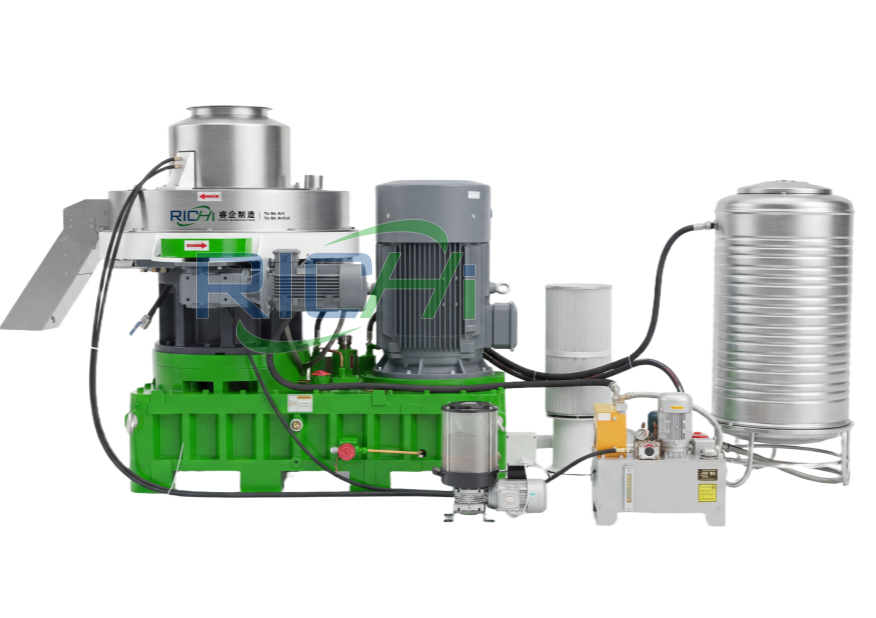
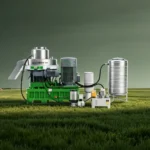
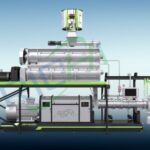
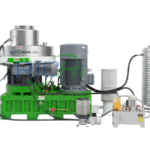
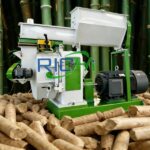
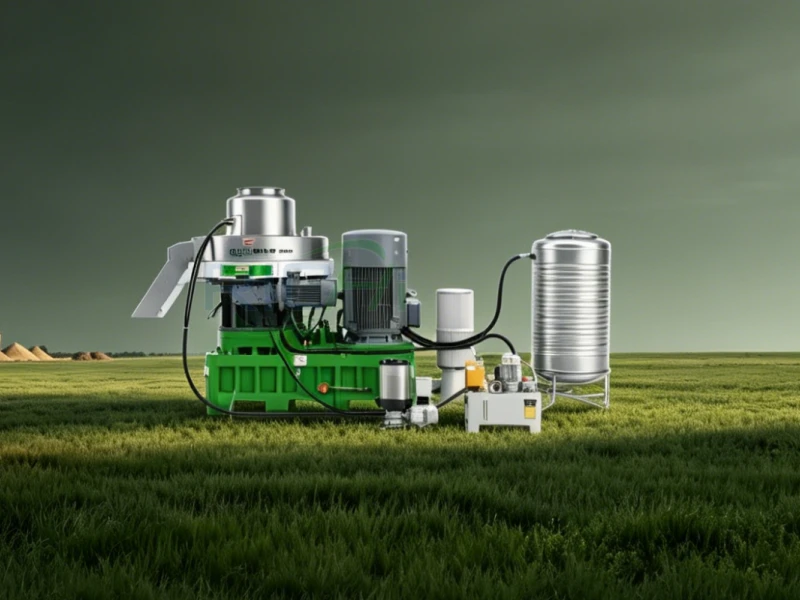
Therefore, choosing advanced pelletizing technology and developing a complete production strategy are essential steps. Modern equipment such as the vertical biomass pellet mill provides manufacturers with a reliable solution for producing high-quality biomass pellets efficiently.
Biomass Pellet Market Opportunities Continue to Expand
The demand for renewable fuel has increased significantly in recent years. Many industries are looking for alternatives that can reduce dependence on fossil fuels while maintaining stable energy supply.
Biomass pellets offer several advantages:
- Renewable and environmentally friendly;
- Easy to transport and store;
- Suitable for automated combustion systems;
- Produced from widely available resources.
The raw materials used for biomass pellets vary depending on regional conditions. Common examples include:
- Agricultural straw;
- Forestry residues;
- Sawdust;
- Wood chips;
- Rice husks;
- Sugarcane waste;
- Grass materials.
Regions with strong agricultural production often have abundant biomass resources, creating favorable conditions for pellet manufacturing businesses.
The Importance of Factory Design Before Investment
Before purchasing equipment, investors should evaluate the entire project structure.
A professional biomass pellet factory design should consider:
Raw Material Availability
The first question is whether sufficient biomass materials are available throughout the year.
Seasonal materials such as crop straw require proper storage planning to ensure continuous production.
Production Capacity
The required output determines equipment selection. Small businesses may focus on local markets, while larger companies may target industrial fuel supply.
Finished Product Requirements
Different customers may require different pellet specifications, including:
- Diameter;
- Density;
- Moisture content;
- Durability.
Understanding market requirements helps determine the most suitable production configuration.
Why Vertical Pellet Technology Is Becoming a Preferred Choice
The pellet mill is the core component of a biomass production system. Its performance directly affects factory efficiency and profitability.
Modern vertical pellet technology provides several advantages.
Stable Production Performance
Continuous operation is critical for commercial pellet factories. Equipment instability can cause production delays and increase operating expenses.
Vertical pellet systems are designed to provide consistent material feeding and compression, helping factories maintain stable production.
Better Adaptability to Biomass Materials
Agricultural residues often have different characteristics compared with wood materials. Some materials have lower density, different fiber structures, and variable moisture levels.
Advanced vertical pellet equipment can handle a wide range of biomass resources when combined with proper preparation processes.
Improved Operating Efficiency
Energy consumption is one of the major costs in pellet manufacturing. Efficient equipment design helps reduce unnecessary power usage while maintaining production capacity.
Lower operating costs improve overall project profitability.
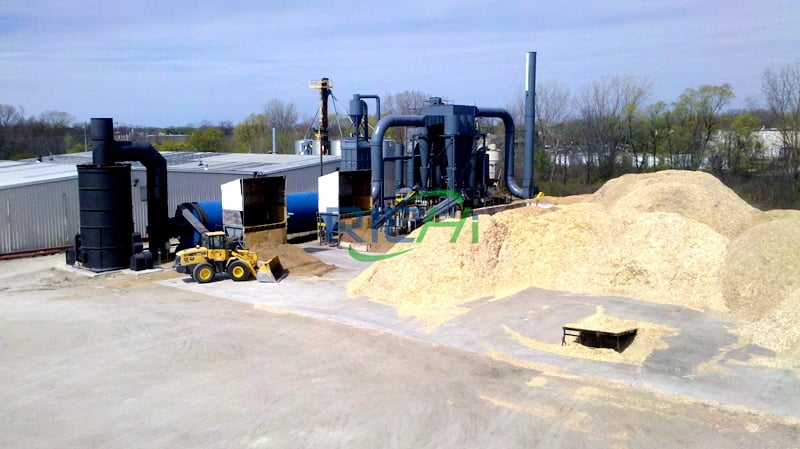
Developing a Complete Straw Pellet Production System
Straw is one of the most promising biomass resources because of its large availability in agricultural regions.
However, straw pellet production requires proper processing technology.
A complete production system normally includes:
Crushing
Raw straw must be processed into suitable particle sizes. Uniform particle size improves compression efficiency.
Drying
Moisture control is essential because it affects pellet formation and durability.
Mixing and Conditioning
Some materials may require additional conditioning before pelletizing to improve production stability.
Pelletizing
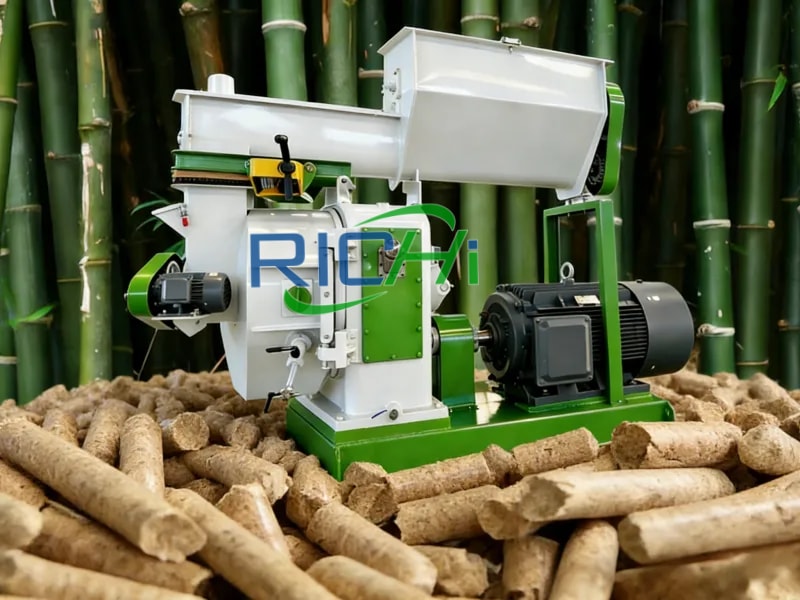
During this stage, biomass materials are compressed into dense pellets.
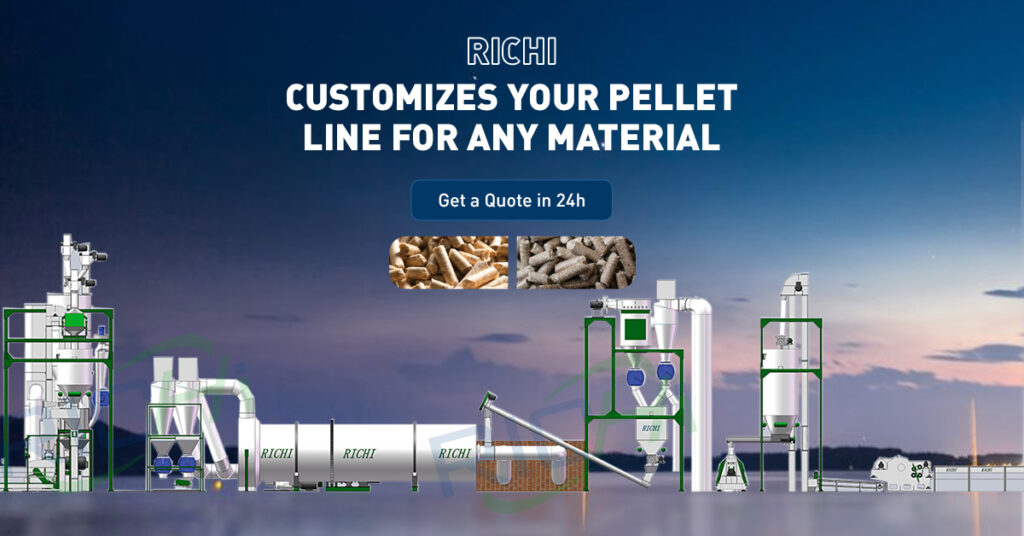
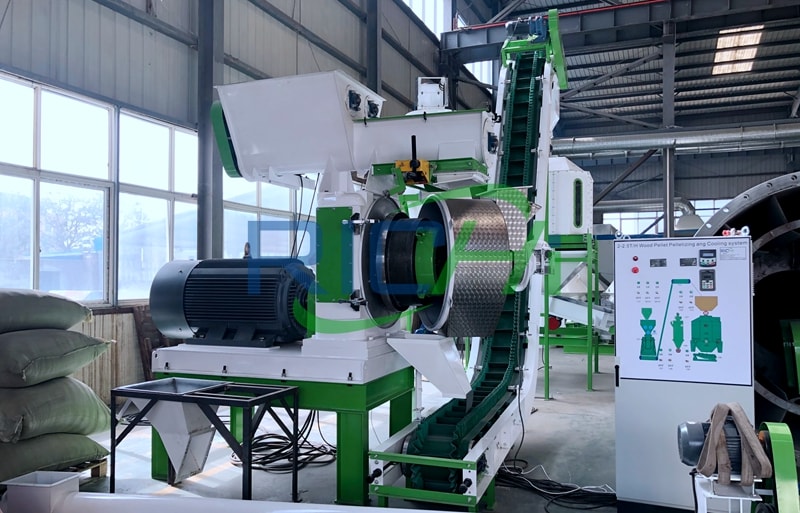
For investors with different production goals, a 3-4 T/H straw pellet plant for sale can provide an efficient solution for medium-scale commercial production.
Cooling and Screening
Cooling improves pellet hardness, while screening ensures consistent product quality.
Packaging
Proper packaging protects pellets during transportation and storage.
Key Factors Affecting Pellet Factory Profitability
A successful biomass pellet business depends on controlling both production and operating costs.
1. Raw Material Cost Management
The availability of affordable raw materials is one of the biggest advantages of biomass projects.
Companies that establish stable supply channels can maintain competitive production costs.
2. Equipment Efficiency
High-quality equipment reduces downtime and improves production consistency.
Although initial equipment investment is important, long-term operating performance often has a greater impact on profitability.
3. Production Automation
Automation can reduce labor requirements and improve product consistency.
Modern factories increasingly use automated systems for:
- Material feeding;
- Production monitoring;
- Packaging;
- Quality control.
4. Market Development
A successful factory needs reliable customers. Potential buyers include:
- Industrial heating companies;
- Power plants;
- Agricultural businesses;
- Biomass fuel distributors.
Why Complete Solutions Are Better Than Individual Equipment
Many investors initially focus on purchasing a pellet machine. However, pellet production is a complete process involving multiple machines working together.
(Related Post: https://www.richipelletmill.com/wood-pellet-plant-for-sale/)
A complete solution helps ensure:
- Proper equipment matching;
- Smooth production flow;
- Reduced installation difficulties;
- Better future expansion possibilities.
Professional suppliers can analyze customer requirements and design systems based on actual conditions.
A customized complete straw pellet line solution can include everything from raw material processing to finished pellet packaging, helping investors simplify project management.
How Technology Is Changing Biomass Pellet Production
The future of biomass pellet manufacturing will be strongly influenced by technology development.
Intelligent Factory Management
Digital monitoring systems allow operators to track production conditions in real time.
Important information such as temperature, machine status, and output can be monitored to improve efficiency.
Energy-Saving Equipment
Manufacturers continue improving machine structures to reduce electricity consumption and increase output.
Energy efficiency will become increasingly important as competition in the pellet market grows.
Flexible Production Capability
Future pellet factories need to adapt quickly to changing raw material availability and market requirements.
Flexible equipment configurations allow businesses to process different biomass resources and expand product categories.
Selecting an Experienced Pellet Equipment Manufacturer
The choice of equipment supplier can determine the long-term success of a biomass project.
A reliable manufacturer should provide:
- Professional project design;
- Equipment customization;
- Installation support;
- Technical training;
- After-sales service.
Experienced manufacturers understand that every project is different. A factory in Southeast Asia may have completely different requirements from one in Europe or South America.
Companies looking for detailed technical explanations and industry information can look at this website to learn more about biomass processing technologies.
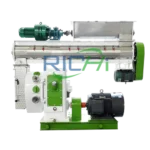
A professional supplier such as Richi manufacture can provide customized biomass pellet production systems based on customer requirements, helping businesses achieve efficient and stable operation.
Common Questions Before Starting a Biomass Pellet Business
Is biomass pellet production profitable?
Profitability depends on raw material costs, production efficiency, market demand, and management ability.
Projects with reliable biomass sources and stable customers usually have stronger investment potential.
How much raw material is needed?
The amount depends on production capacity and pellet output requirements. Larger factories require more stable supply networks.
Can one production line process different materials?
Many modern systems can process multiple biomass materials after proper adjustment.
What is the expected equipment lifespan?
With proper operation and maintenance, high-quality pellet equipment can provide long-term service.
Conclusion
Building a successful biomass pellet factory requires comprehensive planning, efficient technology, and reliable equipment support.
As renewable energy demand continues to grow, biomass pellets will play an increasingly important role in global energy markets.
Advanced vertical pellet technology helps businesses improve production stability, reduce operating costs, and maximize the value of renewable resources.
For investors who want to enter the biomass industry, selecting the right equipment and developing a complete production strategy are essential steps toward creating a profitable and sustainable business.