






Over the last decade, biomass pellets have evolved from a niche renewable fuel into a globally traded energy commodity. Countries seeking to reduce carbon emissions are increasingly replacing coal with biomass fuel in power generation, industrial heating, and commercial energy systems.
This shift has created enormous demand for biomass pellets produced from agricultural and forestry residues. Materials that were once considered waste now represent valuable export products capable of generating significant revenue.
For manufacturers, the opportunity extends far beyond domestic markets. International buyers are actively searching for reliable pellet suppliers capable of delivering large volumes of consistent, high-quality fuel.
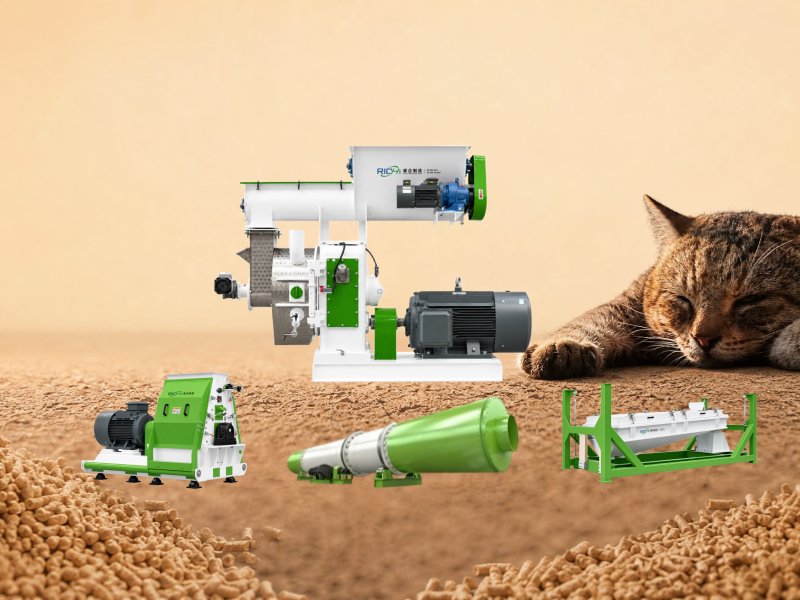
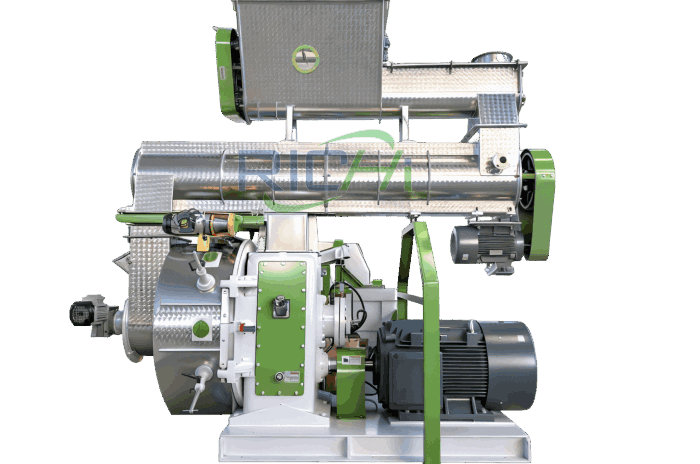
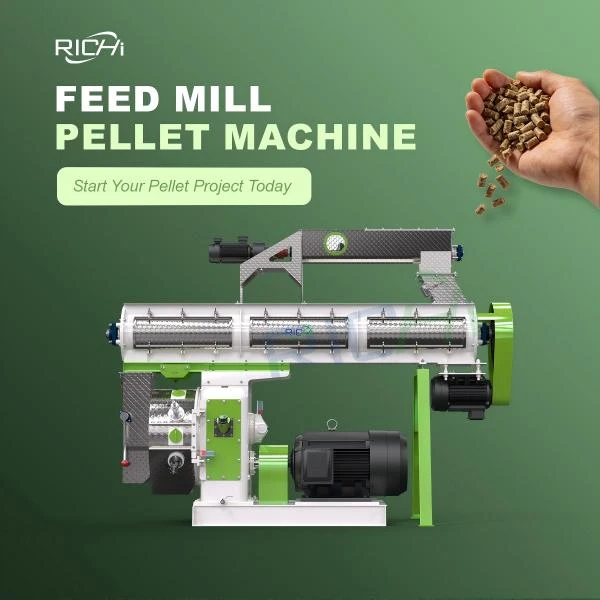
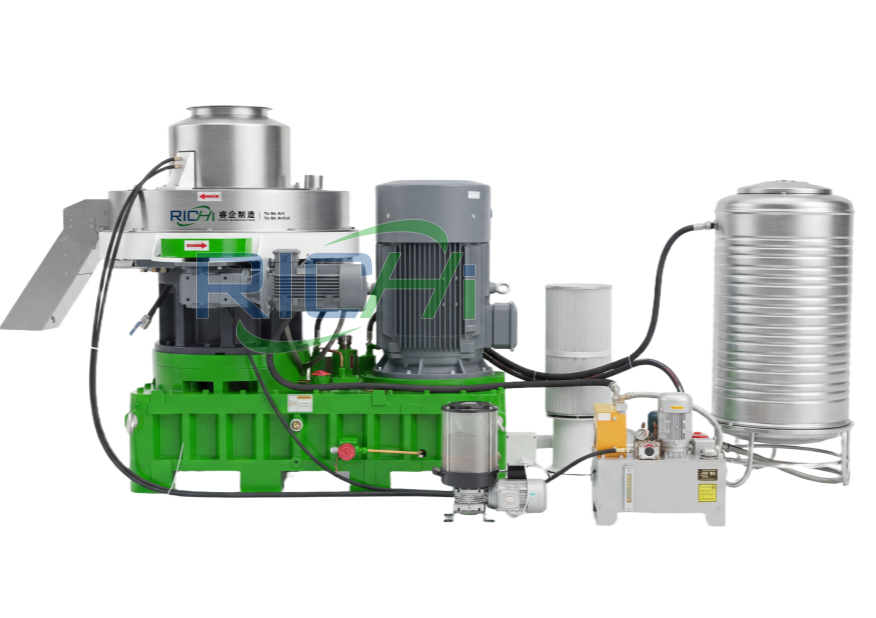
The foundation of this growing industry is efficient production technology, and many exporters rely on the Vertical Biomass Pellet Production Machine to transform low-value residues into premium biomass products.
The Global Push Toward Renewable Energy
Governments around the world are implementing ambitious carbon reduction programs.
These initiatives encourage:
- Reduced coal consumption
- Increased renewable energy adoption
- Sustainable waste utilization
- Lower greenhouse gas emissions
- Development of circular economies
Unlike solar and wind energy, biomass fuel can be stored and transported. This makes pellets particularly attractive for industries requiring uninterrupted energy supplies.
As demand increases, producers capable of supplying export-grade pellets gain access to premium international markets.
Which Countries Import the Most Biomass Pellets?
The biomass pellet trade has become increasingly international.
Major importing regions include:
Europe
European industries continue investing heavily in renewable heating and power generation.
Japan
Japan’s renewable energy policies have significantly increased pellet demand.
South Korea
Biomass co-firing projects continue supporting imports.
United Kingdom
Large-scale power stations require substantial pellet supplies.
Emerging Markets
Developing economies are beginning to adopt biomass fuel solutions for industrial applications.
Export opportunities continue expanding as energy security becomes a global priority.
What Makes Export-Grade Pellets Different?
Not all pellets are suitable for international trade.
Export customers generally require:
- Consistent pellet diameter
- High durability
- Low moisture content
- Minimal dust generation
- Stable calorific value
- Uniform density
Meeting these standards requires advanced production equipment and strict quality control.
Every stage of production contributes to final product quality.
Raw material preparation, drying, pelletizing, cooling, and screening must all operate efficiently to ensure market acceptance.
Why Sunflower Shells Are Attracting International Buyers
Sunflower processing generates large quantities of shells every year.
Instead of disposing of this by-product, manufacturers increasingly convert it into biomass fuel.
Sunflower shell pellets offer several advantages:
High Energy Density
They provide excellent combustion performance.
Reliable Supply
Oil processing industries generate significant volumes annually.
Sustainable Feedstock
No additional land use is required.
Strong Market Demand
Many industrial users actively seek alternative biomass materials.
As production volumes grow, many facilities upgrade to a large scale sunflower shell pellet machine capable of supporting export-oriented manufacturing.
Logistics: The Hidden Factor Behind Export Success
Producing pellets is only part of the business.
Transportation efficiency significantly affects profitability.
Pellets offer several logistical advantages:
- High bulk density
- Reduced transportation costs
- Easier handling
- Lower storage requirements
- Improved loading efficiency
Compared with loose agricultural waste, pelletized biomass is far more economical to transport internationally.
This is one reason pellet exports continue expanding globally.
How Vertical Pellet Technology Supports Export Markets
Export customers expect consistency.
Even small variations in pellet quality can result in rejected shipments or reduced contract opportunities.
The Vertical Biomass Pellet Production Machine helps manufacturers achieve:
Stable Pellet Density
Uniform compression improves combustion performance.
Consistent Dimensions
Standardized pellets simplify handling and storage.
Improved Durability
Reduced breakage during transportation.
Flexible Feedstock Processing
Multiple biomass materials can be utilized.
These advantages help producers satisfy demanding international buyers.
Diversifying Feedstock Sources Improves Competitiveness
Export markets often experience changing price conditions.
Producers capable of processing multiple feedstocks enjoy greater flexibility.
Examples include:
- Wood residues
- Sunflower shells
- Rice husks
- Corn stalks
- Wheat straw
- Bamboo residues
- Palm fiber
Diversification reduces supply risks while improving purchasing flexibility.
Many successful pellet manufacturers actively switch between raw materials based on seasonal availability and pricing.
The Importance of Automation in Modern Pellet Plants
Labor shortages and rising operating costs are driving automation throughout the biomass industry.
Modern facilities increasingly utilize:
Automatic Feeding Systems
Ensuring continuous material flow.
Smart Monitoring Platforms
Tracking production performance in real time.
Automated Packaging Systems
Improving efficiency and consistency.
Predictive Maintenance Technology
Reducing unexpected downtime.
These innovations help exporters remain competitive in increasingly demanding markets.
Choosing the Right Production Partner
Equipment selection influences long-term profitability.
Important considerations include:
- Machine reliability
- Material compatibility
- Production efficiency
- Spare parts availability
- Technical support
- Future expansion potential
Many investors choose suppliers with proven international project experience.
Manufacturers seeking additional industry information often review technical resources available through a professional blog here, where experts discuss biomass processing trends, operational strategies, and equipment innovations.
Likewise, project developers frequently rely on detailed explanation documents when comparing technologies and planning facility investments.
Biomass Pellets and the Circular Economy
One of the most attractive aspects of biomass fuel production is its contribution to resource efficiency.
Instead of discarding agricultural residues, manufacturers can convert waste into valuable products.
Benefits include:
- Reduced landfill use
- Lower open-field burning
- Additional rural income
- Renewable energy generation
- Reduced fossil fuel dependence
This circular approach aligns closely with global sustainability goals.
As environmental regulations become stricter, biomass pellet production will likely play an increasingly important role in industrial energy systems.
Future Growth Opportunities
Industry forecasts suggest continued growth in biomass pellet demand.
Key drivers include:
- Carbon neutrality targets
- Renewable energy investments
- Industrial fuel switching
- Waste recycling initiatives
- International energy security concerns
Manufacturers capable of producing high-quality pellets efficiently will be well-positioned to benefit from these trends.
The combination of growing demand and improving technology creates substantial opportunities for both new and established producers.
Conclusion
Global biomass pellet markets continue expanding as countries seek practical renewable energy solutions.
Export opportunities are increasing, particularly for manufacturers capable of delivering consistent, high-quality products.
By utilizing advanced equipment such as the Richi manufacture Vertical Biomass Pellet Production Machine, producers can transform agricultural and forestry residues into valuable commodities that serve both environmental and economic objectives.
As international demand grows, efficient pellet production will remain a key component of the global transition toward cleaner energy systems.
Related Post:https://pelletizerequipment.com/vertical-ring-die-pellet-machine/