Poultry farming has become one of the most important agricultural industries in the world because of the growing demand for chicken meat and eggs. As poultry production continues to expand, feed quality has become one of the most critical factors influencing bird growth, feed conversion efficiency, flock health, and overall farm profitability. Poultry feed accounts for a major portion of production costs, making efficient feed manufacturing essential for modern poultry farming operations.
The poultry feed manufacturing process involves transforming raw agricultural ingredients into balanced, nutritious feed suitable for different types of poultry, including broilers, layers, breeders, and chicks. Modern poultry feed production systems are designed to ensure consistent nutrient content, high digestibility, stable pellet quality, and efficient large-scale output. One of the most important machines used in this process is the chicken feed pellet machine, which converts powdered feed materials into compact pellets that improve feed utilization and reduce waste.
The poultry feed manufacturing process includes several important stages such as raw material selection, grinding, mixing, conditioning, pelletizing, cooling, screening, and packaging. Each stage plays a crucial role in determining the quality and efficiency of the final feed product.
The first stage of poultry feed manufacturing is raw material selection. High-quality feed starts with high-quality ingredients. Poultry feed formulations are designed to provide balanced nutrition, including protein, carbohydrates, fats, vitamins, minerals, and amino acids. Common ingredients used in poultry feed production include corn, soybean meal, wheat bran, fish meal, sunflower meal, rice bran, limestone powder, salt, vitamin premixes, and amino acid supplements.
Different poultry species and growth stages require different nutrient compositions. Broiler chickens need high-energy and high-protein diets to support rapid growth, while laying hens require calcium-rich feed for strong eggshell formation. Chicks require nutrient-dense starter feed to support early development and immune system growth. Feed manufacturers carefully formulate recipes according to nutritional requirements to maximize bird performance and production efficiency.
After raw materials are selected, the next step is grinding. Grinding is essential because large particles are difficult for poultry to digest and can reduce feed uniformity. Grinding machines such as hammer mills reduce raw materials into fine powder with uniform particle size. Proper grinding improves mixing efficiency and helps ensure that nutrients are evenly distributed throughout the feed.
Particle size is extremely important in poultry feed manufacturing. If particles are too large, birds may selectively consume certain ingredients while rejecting others, leading to imbalanced nutrition. If particles are too fine, feed may become dusty and difficult to pelletize. Therefore, achieving the correct particle size is critical for both feed quality and pellet formation.
Once grinding is completed, the powdered ingredients move to the mixing stage. Mixing ensures that all nutrients are distributed evenly throughout the feed. Uniform mixing is especially important because poultry require precise nutrient intake for optimal growth and health. Inconsistent mixing can lead to nutrient deficiencies or excessive nutrient concentrations, negatively affecting bird performance.
Modern feed mixers are designed to achieve high mixing accuracy within a short period of time. During this stage, vitamins, minerals, enzymes, oils, and additives are added to the feed formulation. Proper mixing improves feed consistency, ensuring that every pellet contains balanced nutrition.
Following mixing, the feed materials enter the conditioning stage. Conditioning is one of the most important parts of the poultry feed manufacturing process because it prepares the feed for pelletizing. During conditioning, steam and moisture are added to the feed mixture under controlled temperature conditions. This process softens the materials, improves starch gelatinization, and enhances feed binding properties.
Conditioning also improves feed hygiene. The combination of heat and moisture helps reduce harmful bacteria, pathogens, and microorganisms that may be present in raw materials. Improved sanitation contributes to healthier poultry and lower disease risk on farms.
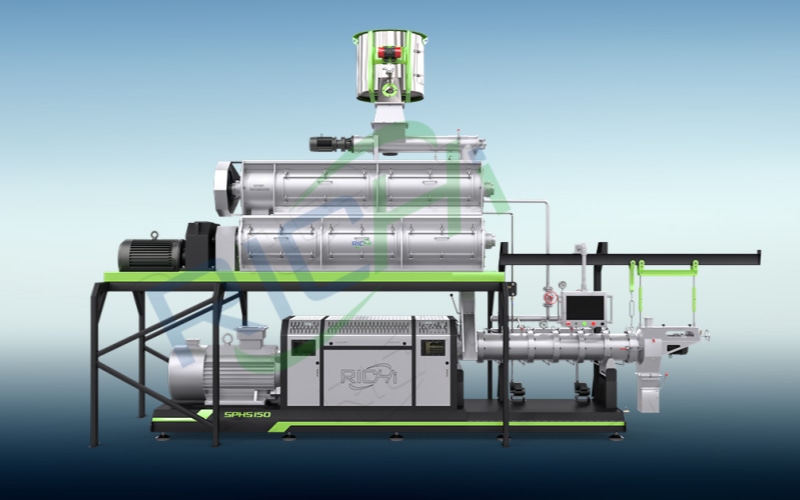
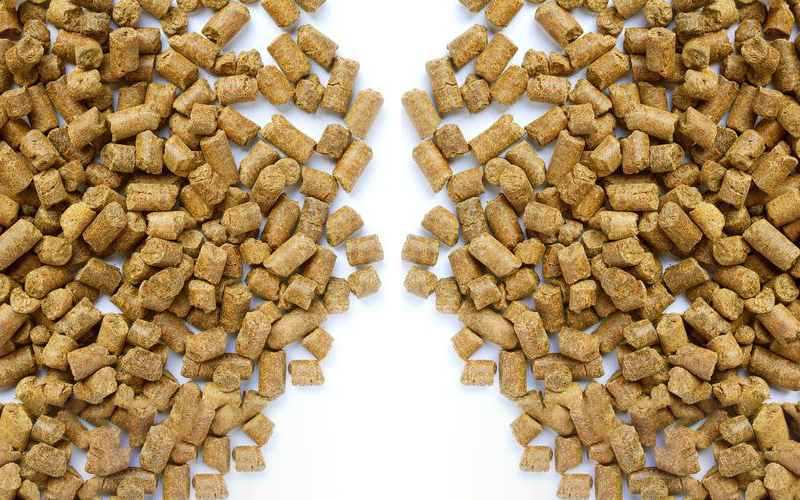
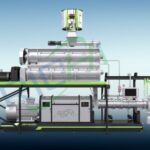
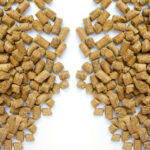
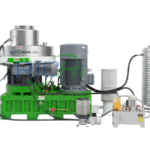
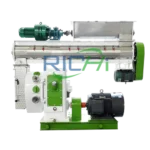
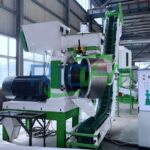
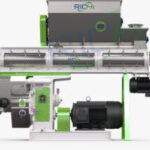
After conditioning, the feed enters the chicken feed pellet machine. This machine is the core equipment in poultry feed production because it transforms powdered feed into dense pellets through mechanical compression. Inside the machine, rollers force the conditioned feed through small holes in a die, forming cylindrical pellets of uniform size and shape.
https://pelletisingmachine.com/chicken-feed-pellet-making-machine
The chicken feed pellet machine provides many advantages in poultry feed production. Pelletized feed improves feed intake because birds can consume pellets more easily than powder feed. Pellets also reduce feed sorting behavior, ensuring that poultry consume a balanced diet rather than selecting preferred ingredients. Better feed intake leads to improved growth performance and feed conversion efficiency.
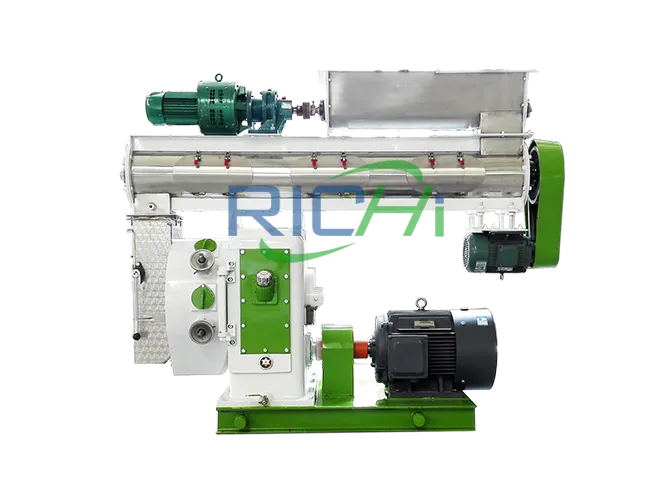
Another important benefit of pelletized feed is reduced feed waste. Powder feed can easily scatter during feeding, especially in large poultry houses. Pellets are more stable and remain intact in feeders, minimizing losses and improving feed utilization. Reduced feed waste lowers production costs and improves farm profitability.
Pelletizing also improves feed digestibility. The combination of heat, moisture, and pressure during pellet formation changes the physical structure of starches and proteins, making nutrients easier for poultry to digest and absorb. Improved nutrient utilization supports faster growth, stronger immunity, and better overall flock performance.
(Learn more about efficient poultry feed pellet machine price)
Pellet size can vary depending on poultry type and growth stage. Small pellets or crumbles are usually produced for chicks, while larger pellets are suitable for broilers and adult poultry. Feed manufacturers can adjust die size and machine settings according to production requirements.
After leaving the chicken feed pellet machine, the pellets are still hot and contain residual moisture. Therefore, the next stage is cooling. Cooling systems reduce pellet temperature and moisture content, stabilizing pellet structure and improving durability. Proper cooling is essential because hot pellets are soft and can easily break during handling and transportation.
Cooling also improves storage stability. Pellets with excessive moisture are vulnerable to mold growth, spoilage, and nutrient degradation. By reducing moisture to safe storage levels, cooling systems help maintain feed quality over extended periods.
Following cooling, pellets pass through screening equipment. Screening removes broken pellets, powder, and oversized particles to ensure consistent product quality. Fine particles collected during screening can often be recycled back into the production process, reducing material waste and improving efficiency.
The final stage of poultry feed manufacturing is packaging and storage. Finished feed pellets are packaged into bags or stored in bulk silos for distribution and farm use. Proper packaging protects feed from moisture, contamination, and nutrient loss during transportation and storage. Storage conditions are important because high humidity and poor ventilation can reduce feed quality over time.
Automation has become increasingly important in modern poultry feed manufacturing. Advanced production systems integrate grinding, mixing, conditioning, pelletizing, cooling, screening, and packaging into one continuous process. Automated control systems monitor temperature, moisture, pressure, and production flow in real time, ensuring stable feed quality and efficient operation.
Automated systems reduce labor requirements and improve production accuracy. Computerized formulation software allows manufacturers to calculate precise ingredient ratios according to nutritional standards and production goals. This improves feed consistency and reduces human error during manufacturing.
Energy efficiency is another important aspect of poultry feed manufacturing. Feed production requires electricity for grinding, mixing, pelletizing, and cooling equipment. Modern machines are designed to reduce energy consumption while maintaining high output capacity. Efficient operation lowers production costs and improves long-term profitability for feed manufacturers.
The chicken feed pellet machine itself has undergone significant technological improvements in recent years. Modern machines feature durable alloy dies, advanced roller systems, and optimized transmission mechanisms that improve pellet quality and machine lifespan. Some systems also include automatic lubrication and intelligent control systems that reduce maintenance requirements and improve operational stability. (check my reference)
Maintenance is essential for efficient poultry feed production. Feed manufacturing equipment operates under continuous load conditions, especially pellet machines that generate high pressure and friction. Regular maintenance such as lubrication, die replacement, roller adjustment, and cleaning helps maintain stable performance and prevent production interruptions.
Raw material flexibility is another advantage of modern poultry feed manufacturing systems. Feed producers can use locally available agricultural products and by-products to reduce costs. Corn, cassava, rice bran, wheat bran, sunflower meal, and soybean meal can all be incorporated into feed formulations depending on regional availability and nutritional requirements. This flexibility helps feed manufacturers control costs while supporting local agricultural economies.
Environmental sustainability is also becoming an important consideration in poultry feed manufacturing. Efficient feed production reduces raw material waste, improves nutrient utilization, and lowers environmental pollution from poultry farming. Better feed conversion means less feed is required to produce meat and eggs, reducing pressure on agricultural resources. Some manufacturers are also exploring alternative protein sources such as insect meal and algae to improve sustainability.
The poultry feed industry continues to evolve rapidly due to increasing global demand for poultry products. Population growth, urbanization, and rising income levels are driving higher consumption of chicken meat and eggs worldwide. To meet this demand efficiently, poultry producers require high-quality feed that supports fast growth, strong immunity, and efficient production performance.
Future trends in poultry feed manufacturing are likely to include greater automation, artificial intelligence, and precision nutrition systems. Smart factories may automatically adjust formulations and machine settings based on real-time data analysis, ingredient quality, and poultry performance. Improved pelletizing technologies may further enhance feed digestibility and reduce energy consumption.
The chicken feed pellet mill machine will remain one of the most important technologies in poultry feed manufacturing because pelletized feed offers significant advantages in feed efficiency, bird growth, and production management. As machine technology improves, feed production systems will become even more reliable, efficient, and cost-effective.
The poultry feed manufacturing process is a highly organized and technologically advanced system designed to produce balanced, safe, and efficient feed for modern poultry farming. Every stage—from raw material selection to pelletizing and packaging—plays a critical role in determining feed quality and farm productivity.
Through the use of advanced equipment such as the chicken feed pellet machine, poultry producers can improve feed utilization, reduce waste, enhance bird performance, and increase overall farm profitability. As global poultry production continues expanding, efficient feed manufacturing will remain one of the most important foundations of successful and sustainable poultry farming.