


Animal feed is the foundation of modern livestock production. The growth, health, reproduction, and productivity of animals are directly influenced by the quality and nutritional value of the feed they consume. As livestock farming becomes more intensive and professional, farmers and feed manufacturers are increasingly focusing on producing balanced, efficient, and cost-effective feed products.
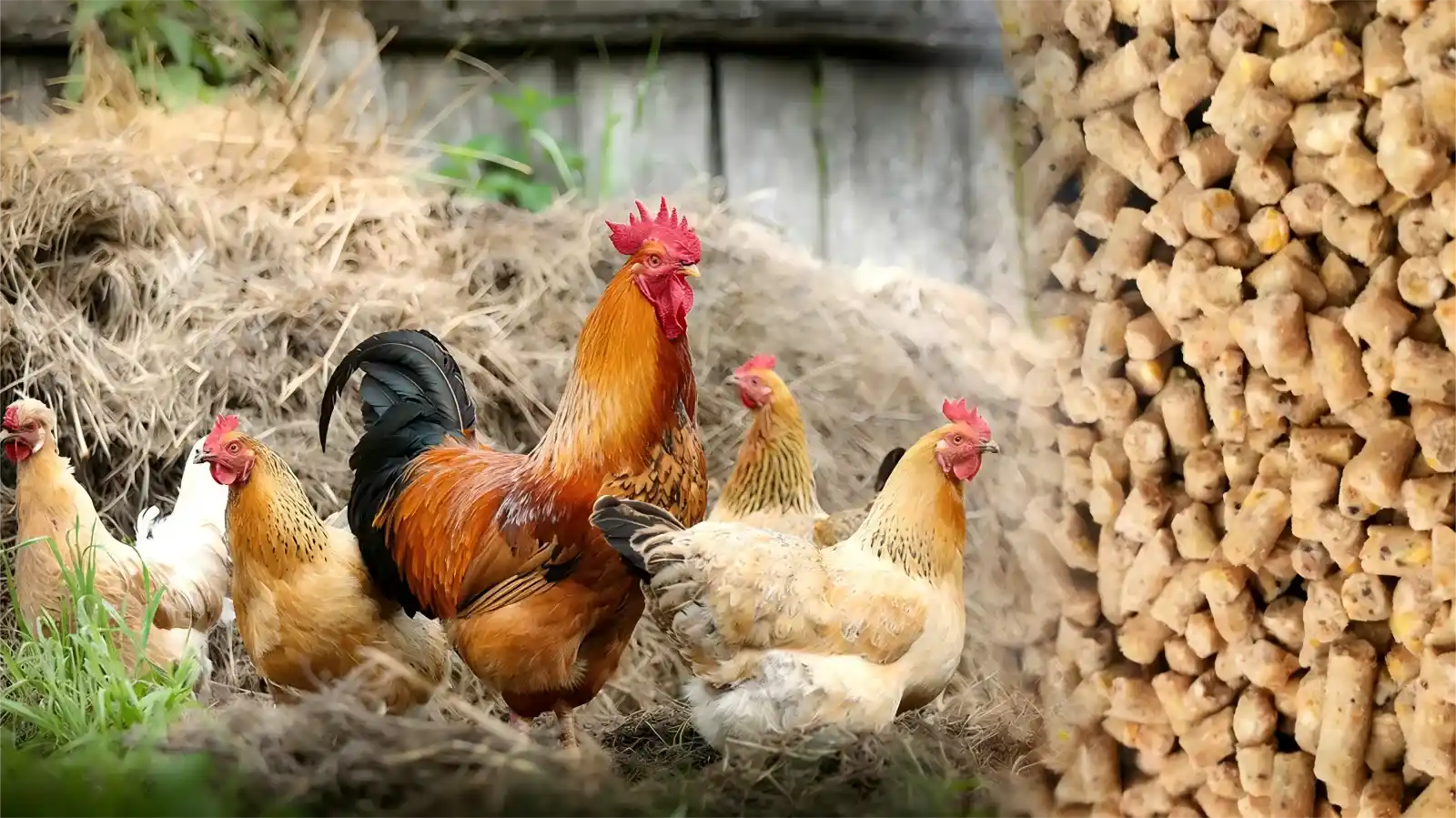
Animal feed pellets have become one of the most popular forms of livestock feed because they offer many advantages compared with traditional powder feed and loose feed materials. Through pelletizing technology, different raw materials can be combined into compact, uniform pellets that provide animals with balanced nutrition while improving feed handling, storage, and utilization efficiency.
The quality of animal feed pellets depends largely on the selection and processing of raw materials. Different livestock species have different nutritional requirements, so feed manufacturers must carefully choose ingredients according to animal type, growth stage, and production goals.
Common raw materials used in animal feed pellets include grains, protein sources, forage materials, oilseed meals, minerals, vitamins, and agricultural byproducts. These ingredients are processed through crushing, mixing, conditioning, and pelletizing to create high-quality feed products.
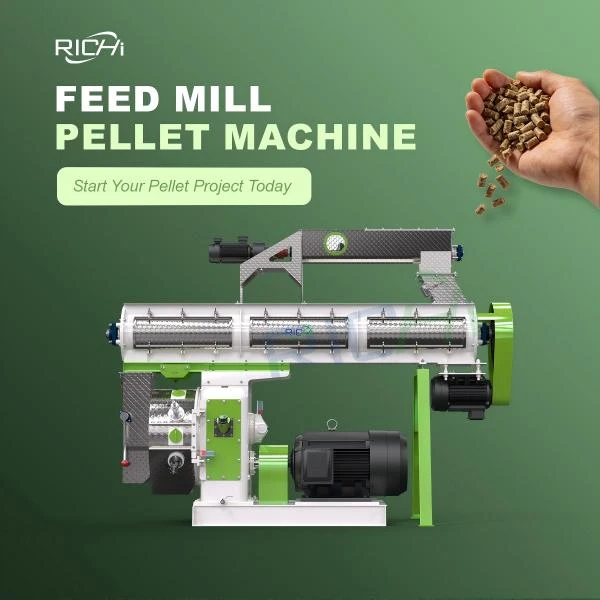
Modern feed production relies on advanced equipment to transform these materials into finished pellets. For poultry feed manufacturers, a chicken feed pellet making machine is an important piece of equipment that helps process properly formulated ingredients into nutritious and durable chicken feed pellets.
This article introduces the major raw materials used in animal feed pellets and explains their roles in livestock nutrition and feed production.
1. The Importance of Selecting Suitable Feed Raw Materials
Raw materials determine the nutritional composition, production cost, and final quality of animal feed pellets. A well-designed feed formula should provide animals with sufficient amounts of:
- Energy
- Protein
- Fiber
- Minerals
- Vitamins
- Amino acids
Different animals require different nutrient combinations.
For example:
- Chickens need high-energy feed to support rapid growth and egg production.
- Cattle require more fiber to maintain healthy digestion.
- Goats need balanced protein and roughage for rumen function.
- Pigs require highly digestible nutrients for efficient weight gain.
The selection of feed ingredients should consider:
- Nutritional value
- Availability
- Cost
- Storage conditions
- Processing characteristics
High-quality raw materials combined with advanced pelletizing technology can significantly improve feed performance.
2. Cereal Grains as Energy Sources
Cereal grains are among the most widely used raw materials in animal feed pellets. They provide carbohydrates, especially starch, which serves as a major energy source for livestock.
Common grain ingredients include:
Corn
Corn is one of the most popular feed ingredients worldwide.
Advantages of corn include:
- High energy content
- Good digestibility
- Easy availability
- Suitable for many livestock species
Corn is commonly used in:
- Chicken feed
- Pig feed
- Cattle feed
- Goat feed
In poultry diets, corn provides the energy required for growth, movement, and egg production.
Wheat
Wheat is another important energy ingredient.
Benefits include:
- Good nutritional value
- High carbohydrate content
- Suitable protein level
Wheat can be used as a substitute for corn in many feed formulas.
Barley
Barley provides:
- Energy
- Fiber
- Minerals
It is often used in livestock diets, especially for cattle, sheep, and goats.
Sorghum
Sorghum is an alternative grain source that performs well in dry regions where corn production may be limited.
These grains are usually crushed before pellet production to improve mixing and digestibility.
3. Protein-Rich Feed Ingredients
Protein is essential for animal growth, muscle development, reproduction, and milk production. Protein sources are therefore important components of animal feed pellets.
Common protein ingredients include:
Soybean Meal
Soybean meal is one of the most widely used plant-based protein sources.
Advantages include:
- High protein content
- Balanced amino acids
- Good digestibility
It is commonly included in:
- Poultry feed
- Pig feed
- Livestock feed
Fish Meal
Fish meal provides:
- High-quality protein
- Essential amino acids
- Minerals
It is especially valuable in poultry and aquaculture feed formulas.
Rapeseed Meal
Rapeseed meal is another plant protein source used in animal nutrition.
It provides:
- Protein
- Fiber
- Minerals
Cottonseed Meal
Cottonseed meal is often used in ruminant feed because of its protein and fiber content.
Protein ingredients help ensure animals receive sufficient nutrients for growth and production.
4. Forage and Fiber Materials
Fiber is especially important for ruminant animals such as cattle, sheep, and goats because it supports healthy digestion.
Common forage materials include:
Alfalfa
Alfalfa is a high-quality forage ingredient.
It provides:
- Protein
- Fiber
- Calcium
- Vitamins
Alfalfa pellets are widely used for:
- Dairy cattle
- Goats
- Sheep
- Horses
Grass Meal
Grass meal is produced by drying and grinding different types of forage.
Benefits include:
- Natural nutrition
- Good fiber content
- Improved feed storage
Straw Materials
Agricultural residues such as:
- Rice straw
- Wheat straw
- Corn stalks
can be processed into feed ingredients after proper treatment.
Pelletizing improves the utilization value of these materials by making them easier for animals to consume.
5. Oilseed Meals and Byproducts
Oilseed processing produces valuable feed ingredients that contain protein and energy.
Common oilseed meals include:
- Soybean meal
- Peanut meal
- Sunflower meal
- Rapeseed meal
These materials are produced after extracting oil from seeds.
They are valuable because they:
- Provide affordable protein
- Improve feed nutrition
- Reduce feed production costs
Using agricultural byproducts also supports sustainable farming by converting waste materials into valuable resources.
6. Bran and Agricultural Processing Byproducts
Many agricultural processing industries produce byproducts that can be used in animal feed.
Examples include:
Wheat Bran
Wheat bran is rich in:
- Fiber
- Minerals
- Moderate protein
It is commonly used in livestock feed.
Rice Bran
Rice bran provides:
- Energy
- Fat
- Protein
It is widely used in Asian livestock production.
Corn Gluten Feed
Corn processing byproducts provide:
- Protein
- Fiber
- Energy
These materials help reduce feed costs while maintaining nutritional value.
7. Mineral Ingredients
Minerals are essential for animal health, bone development, reproduction, and metabolic functions.
Important minerals include:
- Calcium
- Phosphorus
- Sodium
- Magnesium
- Zinc
- Iron
Common mineral sources include:
Limestone Powder
Provides calcium for:
- Bone development
- Eggshell formation in laying hens
Salt
Provides sodium and chloride required for normal body functions.
Mineral Premixes
Commercial premixes combine multiple minerals to meet animal requirements.
Mineral ingredients are usually added in small amounts but play an important role in feed quality.
8. Vitamin Additives
Vitamins support animal growth, immunity, and overall health.
Common vitamins used in animal feed include:
- Vitamin A
- Vitamin D
- Vitamin E
- Vitamin K
- B vitamins
Because animals require only small amounts of vitamins, they are usually added through premixes.
Vitamin supplementation helps:
- Improve disease resistance
- Support reproduction
- Maintain healthy metabolism
A balanced feed formula combines major ingredients with appropriate vitamin additives.
9. Amino Acids and Functional Additives
Some feed formulas include additional additives to improve animal performance.
Common additives include:
Amino Acids
Important amino acids include:
- Lysine
- Methionine
- Threonine
They help animals efficiently use protein.
Enzymes
Enzymes can improve nutrient digestion.
Probiotics
Probiotics support healthy gut microorganisms.
Feed Binders
Binders improve pellet durability.
These additives allow manufacturers to create specialized feed products for different production goals.
10. Raw Materials Used in Chicken Feed Pellets
Chicken feed requires carefully balanced nutrition because poultry has high growth rates and production demands.
Common chicken feed pellet ingredients include:
- Corn
- Wheat
- Soybean meal
- Fish meal
- Rice bran
- Wheat bran
- Vegetable oil
- Minerals
- Vitamins
- Amino acids
Different chicken production stages require different formulas.
Broiler Feed
Broilers need:
- High energy
- High protein
- Good digestibility
Layer Feed
Laying hens require:
- Calcium
- Minerals
- Balanced energy
A chicken feed pellet making machine can process these ingredients into uniform pellets that improve feed intake and reduce waste in poultry farms.
https://richipelletizer.com/chicken-feed-pellet-machine-for-sale
11. Raw Materials Used in Goat Feed Pellets
Goats are ruminants that require sufficient fiber and balanced nutrients.
Common goat feed ingredients include:
- Alfalfa
- Grass meal
- Corn
- Soybean meal
- Wheat bran
- Mineral supplements
Fiber supports rumen activity, while protein and energy ingredients promote growth.
Pelletizing goat feed improves:
- Nutrient consistency
- Feed storage
- Feeding efficiency
12. Processing Raw Materials into Feed Pellets
Raw materials must go through several processing stages before becoming finished pellets.
The typical process includes:
Crushing
Large ingredients are reduced into smaller particles.
Mixing
All ingredients are blended according to the formula.
Conditioning
Steam and moisture improve pellet formation.
Pelletizing
The pellet machine compresses materials into pellets.
Cooling
Fresh pellets are cooled and stabilized.
Screening
Broken pellets and powder are removed.
Packaging
Finished products are packed for storage and transportation.
Proper processing ensures that raw materials achieve maximum nutritional value.
(Learn more about complete poultry feed production line )
13. The Role of Pellet Machines in Feed Production
Raw materials alone cannot create high-quality feed products. Efficient processing equipment is necessary to transform ingredients into usable pellets.
A modern pellet production system improves:
- Feed consistency
- Production efficiency
- Product quality
- Labor efficiency
For poultry feed production, a chicken feed pellet making machine provides a reliable solution for compressing mixed ingredients into durable pellets.
Advanced pellet machines offer:
- Stable operation
- Adjustable pellet sizes
- High production capacity
- Lower energy consumption
Selecting the right equipment is essential for successful feed manufacturing.
14. Choosing the Right Raw Materials for Feed Production
When selecting raw materials, feed manufacturers should consider:
Animal Requirements
Different species require different nutrient profiles.
Local Availability
Using locally available materials reduces costs.
Quality Stability
Consistent ingredient quality ensures stable feed performance.
Production Objectives
Feed formulas should match goals such as:
- Faster growth
- Higher milk production
- Better egg production
Scientific formula design helps maximize animal performance.
15. Future Trends in Animal Feed Raw Materials
The animal feed industry continues to explore new raw materials and sustainable resources.
Future trends include:
Agricultural Waste Utilization
More crop residues will be converted into valuable feed ingredients.
Alternative Protein Sources
New protein sources will help reduce dependence on traditional ingredients.
Precision Nutrition
Feed formulas will become more customized.
Sustainable Production
Feed manufacturers will focus on reducing resource consumption.
These trends will create new opportunities for efficient feed production.
Conclusion
Animal feed pellets are produced from a wide range of raw materials, including grains, protein sources, forage materials, agricultural byproducts, minerals, vitamins, and additives. Each ingredient contributes specific nutrients required for animal growth, health, and productivity.
The selection of high-quality raw materials is the foundation of successful feed production. Through advanced processing technologies, these ingredients can be transformed into balanced and efficient pellet feed products.
Equipment such as the chicken feed pellet making machine plays an important role in converting properly formulated ingredients into uniform and durable feed pellets. By combining scientific feed formulas with reliable pelletizing technology, farmers and feed manufacturers can improve feed efficiency, reduce waste, and support more profitable livestock production.
As global demand for animal products continues to increase, the importance of high-quality animal feed pellets and efficient raw material utilization will continue to grow.